




Hey there! As a sheet pile supplier, I've been involved in numerous projects, and I know how crucial a feasibility study is for a sheet pile project. In this blog, I'll walk you through the steps to conduct a successful feasibility study for a sheet pile project.


Step 1: Define the Project Scope
First things first, you need to clearly define the scope of your sheet pile project. What's the purpose of the project? Is it for a retaining wall, a waterfront structure, or something else? Understanding the project's goals will help you determine the type and quantity of sheet piles you'll need.
For example, if you're building a retaining wall for a construction site, you'll need to consider the height of the wall, the soil conditions, and the load it will need to support. On the other hand, if you're working on a waterfront project, you'll need to account for factors like water depth, wave action, and corrosion resistance.
Step 2: Assess the Site Conditions
The next step is to assess the site conditions where the sheet pile project will take place. This includes evaluating the soil type, groundwater levels, and any existing structures or utilities in the area.
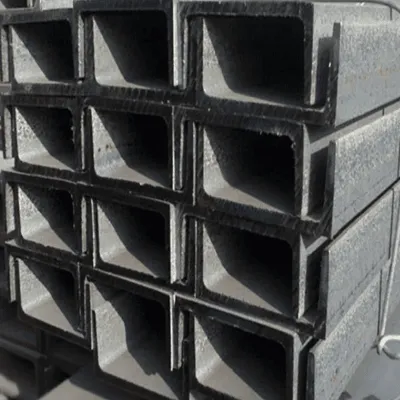
Soil type plays a significant role in determining the type of sheet piles that will work best. For instance, if the soil is soft and cohesive, you might need to use sheet piles with a higher bearing capacity, such as Carbon Steel Sheet Pile. On the other hand, if the soil is sandy or granular, you could consider using U Hot Rolled Steel Sheet Pile.
Groundwater levels are also important to consider. If the water table is high, you'll need to ensure that the sheet piles are properly sealed to prevent water from seeping through. Additionally, you'll need to account for any potential flooding or water pressure that could affect the stability of the structure.
Step 3: Evaluate the Technical Requirements
Once you have a good understanding of the project scope and site conditions, it's time to evaluate the technical requirements of the sheet pile project. This includes determining the appropriate sheet pile design, installation method, and any additional components or accessories that may be needed.
The design of the sheet piles will depend on factors such as the load requirements, soil conditions, and environmental factors. You'll need to work with a structural engineer to ensure that the sheet piles are designed to meet the specific needs of your project.
The installation method is another important consideration. There are several different methods for installing sheet piles, including driving, vibrating, and press-in methods. The method you choose will depend on factors such as the soil conditions, the type of sheet piles, and the available equipment.
In addition to the sheet piles themselves, you may also need to consider additional components or accessories, such as wales, tie-backs, and anchors. These components can help to improve the stability and performance of the sheet pile structure.
Step 4: Analyze the Cost and Budget
Cost is always a major factor in any project, and a sheet pile project is no exception. You'll need to analyze the cost of the sheet piles, installation, and any additional components or accessories. You'll also need to consider any potential cost overruns or unexpected expenses that may arise during the project.
To get an accurate estimate of the cost, you'll need to obtain quotes from multiple suppliers and contractors. Make sure to compare the prices and services offered by each provider to ensure that you're getting the best value for your money.
It's also important to have a contingency budget in place to cover any unexpected expenses that may arise during the project. This will help to ensure that the project stays on track and within budget.
Step 5: Consider the Environmental Impact
In today's world, it's important to consider the environmental impact of any project. When it comes to a sheet pile project, there are several environmental factors that you'll need to consider, such as the impact on water quality, wildlife, and the surrounding ecosystem.
For example, if the project is located near a water body, you'll need to ensure that the sheet piles are installed in a way that minimizes the impact on water quality. This may involve using environmentally friendly materials and installation methods.
You'll also need to consider the impact on wildlife and the surrounding ecosystem. This may involve conducting a wildlife survey and implementing measures to protect any endangered or threatened species.
Step 6: Evaluate the Legal and Regulatory Requirements
Before starting a sheet pile project, you'll need to evaluate the legal and regulatory requirements that apply to the project. This includes obtaining any necessary permits and approvals from local authorities.
The specific requirements will vary depending on the location and nature of the project. You'll need to work with a local attorney or regulatory expert to ensure that you're in compliance with all applicable laws and regulations.
Step 7: Develop a Risk Management Plan
Finally, it's important to develop a risk management plan for the sheet pile project. This will help you to identify and mitigate any potential risks that may arise during the project.
Some of the potential risks that you'll need to consider include soil instability, water infiltration, corrosion, and equipment failure. You'll need to develop strategies to address these risks and ensure that the project is completed safely and successfully.
Conclusion
Conducting a feasibility study for a sheet pile project is an important step in ensuring the success of the project. By following the steps outlined in this blog, you can evaluate the project's feasibility, identify potential risks, and develop a plan to address them.
If you're considering a sheet pile project, I encourage you to reach out to us. We're a leading Metal Sheet Piling supplier with years of experience in the industry. We can provide you with the expertise and support you need to ensure that your project is a success.
References
- "Sheet Piling Design and Installation Manual" by the Steel Sheet Piling Institute
- "Geotechnical Engineering for Foundations" by Braja M. Das
- "Structural Analysis and Design of Sheet Piles" by R. S. Bhavikatti