





Nickel Alloy
What Is Nickel Alloy
The term nickel alloy refers to a metal that has nickel as one of its primary elements. Some types of nickel alloys are referred to as superalloys because of their superior oxidation and creep resistance, allowing them to be used at temperatures of more than half their melting points. Nickel alloys can be machined and welded but tend to pose some processing difficulties, as some alloys will work harden during machining, and their high melting points can make them difficult to weld.
Advantages of Nickel Alloy
High Corrosion Resistance
Nickel alloys, especially those containing chromium, cobalt, and molybdenum like Hastelloy or Inconel, exhibit excellent resistance to corrosion in various environments, including high-temperature oxidizing atmospheres, seawater, acidic solutions, and many organic and inorganic chemicals.
Strength at Elevated Temperatures
These alloys maintain their strength and resilience at high temperatures, which is essential for applications such as jet engine components, gas turbines, and industrial furnace parts.
Good Thermal Stability
Nickel alloys demonstrate excellent thermal stability across a wide temperature range, making them suitable for applications where components are exposed to fluctuating temperatures.
Low Expansion Coefficients
Certain nickel alloys have a low coefficient of thermal expansion, which is beneficial for applications requiring dimensional stability, such as precision instruments and electronic components.
Magnetic Properties
Nickel alloys, especially those with very high levels of nickel have excellent soft magnetic properties, which means they can be easily magnetized and demagnetized. Nickel alloys can be said to have low coercivity (a measure of the difficulty of demagnetizing a magnetic material).
Ductility
Nickel alloys are highly ductile, and as such are very tough materials, able to withstand impacts without breaking suddenly.


Why Choose Us
Rich Experience
Our company has many years of production work experience. The concept of customer-oriented and win-win cooperation makes the company more mature and stronger.
Quality control
In the processing of production, our professional technical engineers inspect the processing to ensure the quality of products,After our machine finish , our engineer will make 24 hours test constantly and ensure the machine reach to the best performance.
One-stop Solution
With rich experience and one-to-one service,we can help you choose products and answer technical questions.
Competitive Price
We have professional sourcing team and cost accounting team, stive to reduce cost and profit and provide you a good price.
Types of Nickel Alloy
Nickel-Copper Alloy
Nickel-copper alloys have excellent saltwater corrosion and fouling resistance. For that reason, they are used extensively in the marine industry. Iron, tin, and manganese are sometimes added to further improve corrosion resistance. The copper content can be anywhere from 55 to 91.5%, with nickel being the next largest alloying element. The other alloying elements make up a small percentage of the total weight. Monel is considered a nickel-copper alloy.
Nickel-Iron Alloy
Nickel-iron alloys have good ductility, low thermal expansion, and corrosion resistance. These alloys also have soft magnetic properties. These alloys are used in applications where low thermal expansion is desired like sensitive scientific equipment or where soft magnetic properties are beneficial, for example in transformers. A common trade name for a nickel-iron alloy is Invar.
Nickel-Chromium Alloy
Nickel chromium alloys have excellent corrosion and oxidation resistance while also maintaining their strength at elevated temperatures. They also have high electrical resistivity. This makes nickel-chromium alloys especially fit for application as heater elements, such as those found in ovens or toasters, for example. Nickel chromium alloys can have a melting point of over 1300 °C. These alloys typically have a high nickel content, 70%.
Nickel-Molybdenum Alloy
Nickel molybdenum alloys have excellent corrosion and oxidation resistance at high temperatures. They also maintain their mechanical properties at elevated temperatures. A common nickel-molybdenum alloy is also known as Hastelloy. This nickel alloy is often used for heat exchangers, pumps, and reactor pressure vessels.
Applications of Nickel Alloy
Nickel alloys are widely used in a number of industries. Listed below are some typical applications of the various alloys:
Aerospace
The aerospace industry is one of the largest users of nickel-based alloys because of the high operating temperatures common on high-performance aerospace equipment. Turbine blades and rocket engine components are often manufactured from alloys like Inconel®.
Chemical Processing
The chemical processing industry often requires materials that are highly resistant to corrosive environments. Nickel alloys have exceptional corrosion resistance, especially when alloyed with elements such as chromium and nickel, high iron content alloys can have reduced corrosion resistance. Typical applications can include tanks, piping, and mixing devices.
Oil and Gas
The oil and gas industry is complex and involves everything from the extraction of oil to the processing of fuels, plastics, and other complex materials. Because of that, materials are often required to withstand high temperatures and pressures, and corrosive environments. Nickel alloys are a good fit for these situations. Typical applications can include pumps, pipes, pressure vessels, and heat exchangers.
Medical Equipment
Medical equipment, such as surgical instruments, must often be sterilizable either with strong solvents or high temperatures. Nickel alloys are ideal for this service environment. Shape memory alloys like are also popular for stents, as they can be implanted in a collapsed state and expand once in position. Nickel alloys are also used for orthopedic implants.
Marine Applications
Marine environments can be extremely corrosive. Not many alloys can withstand prolonged exposure to salt water and salt spray. Nickel alloys, especially when alloyed with copper, are highly resistant to marine environments. Typical applications can include propellers, bilge pumps, and valves.
Precision Instruments
Some precision instruments need to have a very low coefficient of thermal expansion to limit the effect of temperature on sensitive applications. An example of such an application is hermetic seals in X-ray tubes. In other cases, the low thermal expansion nickel alloy is used in conjunction with a high thermal expansion metal, joined into a bimetal strip, for use as a temperature switch.
What Makes a Nickel Alloy
Obviously, the common ingredient in all nickel alloys is … nickel. This durable metal brings to the mix exceptional corrosion, oxidation and temperature resistance combined with a high degree of ductility and formability. It’s no wonder that nickel alloys are a stalwart choice across a range of industries and sectors. In fact, it’s estimated that year to year, 90% of all nickel sold is purchased especially to make alloys.
When it comes to creating a nickel alloy, nickel can be combined with any number of different metals, in different proportions, to produce a material with a specific set of properties. Here are some common choices, along with just some of the features they bring:
‣Titanium: Light-weight and high-strength, increases strength and corrosion resistance at high temperatures
‣Copper: Non-magnetic, with great machinability and outstanding heat and electricity
conduction
‣Cobalt: Brings excellent corrosion resistance in extremely hot conditions
‣Chromium: Heightens resistance to corrosion and stress-cracking
‣Aluminium: Adds strength and enhances corrosion resistance
‣Niobium: Increases weldability and intensifies mechanical properties
There are many, many different nickel alloys, and new ones are being created or developed all the time. What unites all of them is a particular set of properties that make them especially suitable for use at very high temperatures. Let’s look at a few of these now.
Tough and versatile, nickel alloys are resistant to corrosion by a range of media, and stay impressively strong even at temperatures over 1000°C. They are usually well-suited to operating at cryogenic temperatures as well, but it’s their resistance to heat that makes them a real favourite for critical applications.
Typically, a very strong material such as iron will become brittle when worked. This means that a component made from this metal is highly likely to have a short operative life, succumbing to stress cracking in hot conditions or when subjected to repeated cyclic loading. And that means sudden – and possibly dangerous – component failure.
On the other hand, a very ductile metal such as copper is extremely easy to work and will resist embrittlement. However, it will deform very quickly in a hot environment. The component will lose its shape, again leading to sudden failure and a potentially hazardous situation.
What makes nickel alloys so special is that they are easy to work and form without becoming brittle; they also display high strength and corrosion resistance. These properties remain stable at very high temperatures and under cyclic loading, extending their operative life and making them much safer to use.
A nickel alloy combines the strength of a material such as iron – which is sometimes added in a tiny proportion to make them even stronger – with the ductility and workability of something like copper. You can expect a nickel alloy component to last 25-35 years or even longer, depending on the conditions.
What Is The Role Of Nickel In Nickel Alloy
Nickel plays a crucial role in nickel alloys due to its unique properties and characteristics. Here are some key roles of nickel in nickel alloys:
Corrosion Resistance: Nickel is highly resistant to corrosion, making it an excellent choice for applications where resistance to various corrosive environments is required. Nickel alloys, such as Inconel and Monel, are widely used in industries like chemical processing, oil and gas, and marine applications due to their exceptional corrosion resistance.
High Temperature Strength: Nickel has excellent high-temperature strength and retains its mechanical properties even at elevated temperatures. Nickel alloys are often used in applications that require resistance to extreme temperatures, such as gas turbines, aerospace components, and heat exchangers.
Thermal Expansion: Nickel has a relatively low coefficient of thermal expansion, which means it expands and contracts less with temperature changes compared to other metals. This property makes nickel alloys suitable for applications where dimensional stability is crucial, such as in precision instruments and electrical components.
Ductility and Toughness: Nickel exhibits good ductility and toughness, allowing it to withstand mechanical stresses and deformations without fracturing. This property is important in applications that require high strength and resistance to impact or vibration, such as springs, fasteners, and structural components.
Electrical and Magnetic Properties: Nickel has excellent electrical conductivity and magnetic properties. Nickel alloys are used in electrical and electronic applications, including wiring, connectors, and magnetic shielding.
You might be wondering, how do these different elements impact Nickel Alloys? Well, the key to creating a specific Nickel Alloy lies in the art of manipulating these alloying elements. By adjusting the quantity and combination of these elements, you can create an alloy with precisely the properties you need.
Each of these elements interacts with Nickel in a unique way, which influences the behaviour and characteristics of the final alloy. For instance, adding Chromium to Nickel dramatically enhances its resistance to corrosion and high temperatures. This is why many Nickel Alloys used in aeronautical and energy sectors have a significant percentage of Chromium.
Similarly, elements like Iron, Copper, Molybdenum, Titanium, and Aluminium bring their own set of benefits to the table. Iron increases resistivity to thermal expansion, a characteristic highly beneficial in materials used in structures exposed to high temperatures. Copper, on the other hand, significantly improves the corrosion resistance of Nickel Alloys, making them durable in highly corrosive environments.
Molybdenum increases strength at high temperatures and resists creep, a slow and permanent deformation under mechanical stresses. Titanium helps to stabilize the alloy and enhance its strength, while Aluminium plays a pivotal role in enhancing the oxidation resistance of the alloy at high temperatures.
Processes In Nickel Alloy Fabrication
Nickel Alloy Fabrication is a multi-staged journey that may include a variety of processes encoding its mechanical properties. The processes involved in Nickel Alloy Fabrication initially start with casting or powder metallurgy, followed largely by welding and forming methods to shape and build up the Nickel alloy product.
Casting
This is the primary step where molten Nickel alloy is poured into a mold and allowed to solidify, taking the shape of the cavity. It is a frequently employed method to produce Nickel alloy components, particularly those with complex geometries.
Powder Metallurgy
An alternative to casting, this process involves creating the alloy as a powdered mixture of its constituent elements. This powder, once compacted into the desired shape, is then heated to form a solid component.
Welding
Often required in the creation of specific Nickel alloy components, welding is done using various methods like Tungsten Inert Gas (TIG) welding, Metal Inert Gas (MIG) welding, and shielded metal arc welding (SMAW).
Forming
Includes various types of mechanical manipulations, from simple bending to complex extruding processes, to shape the material.
Forging
The process involves heating Nickel alloy and then deforming it with a press or hammer. Forging can significantly strengthen the material by refining its internal grain structure.
Machining
This is a group of processes where parts are fashioned by removing unwanted material, often through turning, milling, or drilling.
Nickel alloys can exhibit varying degrees of magnetism depending on their specific composition. Pure nickel is considered paramagnetic, which means it is attracted only by a strong external magnetic field. when alloyed with certain elements, particularly iron and cobalt, the resulting nickel alloys can become ferromagnetic, meaning they are strongly magnetic on their own without an external field.
For example, Invar, an alloy of iron and nickel, is ferromagnetic. Similarly, Permalloy, an alloy of nickel and iron, is known for its high magnetic permeability and is used in applications requiring magnetic shielding or cores for transformers and inductors.
Monel, another well-known nickel alloy, primarily consisting of nickel and copper, does not have significant magnetic properties because copper is a non-magnetic metal. Therefore, Monel retains the paramagnetic characteristics of nickel and does not become ferromagnetic.
The magnetic properties of nickel alloys are determined by the presence and proportion of ferromagnetic elements in the alloy. If an alloy contains a substantial amount of iron or cobalt, it is likely to be ferromagnetic. If the alloy is dominated by non-magnetic elements such as copper or aluminum, it will retain the paramagnetism of nickel.
Properties of Nickel Alloy
Corrosion Resistance: The corrosion and oxidation resistance of nickel alloys makes them well suited for use in severe conditions.
High Strength: They possess the capability to exhibit exceptional levels of mechanical strength. Therefore, these materials are particularly advantageous in situations requiring higher temperature resistance and a combination of high strength and toughness.
Heat resistance: They exhibit exceptional thermal resistance properties, enabling them to sustain elevated temperatures up to 980 °C without interruption, as exemplified by the performance of Inconel 718.
Ductility: They exhibit a high degree of ductility, rendering them exceptionally resilient materials capable of withstanding impacts without experiencing a sudden fracture.
Magnetic properties: Nickel alloys, particularly those with elevated nickel content, exhibit exceptional soft magnetic characteristics, rendering them highly susceptible to magnetization and demagnetization processes. They can be characterized by their relatively low coercivity, which is a measure used to quantify the resistance of a magnetic material to demagnetization.
Thermal conductivity: They exhibit relatively low thermal conductivity. Nevertheless, there is often a preference for low thermal conductivity in high-temperature applications in order to restrict the transfer of heat to other components. Nevertheless, in situations where thermal conductivity is necessary, nickel-copper alloys can be employed.
Electrical conductivity: Nickel alloys exhibit a reduced level of electrical conductivity in comparison to that of pure copper or silver. However, it should be noted that nickel-copper alloys exhibit enhanced electrical conductivity as well as increased resistance to corrosion.
Weldability: The welding of nickel alloys can be accomplished through the utilization of the MIG (metal inert gas) or TIG (tungsten inert gas) processes. Additionally, the joining process of MMA (manual metal arc) welding can be employed. Welding nickel alloys presents challenges, as it often involves encountering prevalent concerns such as hot or warm cracking and porosity.
Low thermal expansion coefficient: Nickel alloys generally exhibit low coefficients of thermal expansion. This characteristic renders them well-suited for precision applications that necessitate the preservation of dimensional stability across a spectrum of temperatures.
How Do Nickel Alloys Compare To Titanium Alloys In Terms Of Mechanical Properties
Nickel alloys and titanium alloys exhibit distinct mechanical property profiles, which make them suitable for different applications within the engineering field.
Nickel alloys typically display excellent corrosion resistance, high-temperature strength, and good fabricability. They are often used in environments where resistance to extreme conditions, such as high temperatures and aggressive chemicals, is necessary. Common nickel alloys include Inconel, Monel, and Nichrome. These alloys have yield strengths ranging from approximately 30,000 psi (pounds per square inch) up to 150,000 psi, with ultimate tensile strengths between 60,000 psi and 170,000 psi. Their ductility allows for forming and joining via welding or brazing.
On the other hand, titanium alloys are known for their high strength-to-weight ratio, excellent corrosion resistance, and biocompatibility. They are widely used in aerospace, marine, and biomedical applications. Titanium alloys such as Ti-6Al-4V (Grade 5) offer yield strengths around 130,000 psi and ultimate tensile strengths up to 140,000 psi. Despite their high strength, titanium alloys are also highly corrosion resistant and can withstand a wide range of environmental conditions, from seawater to chlorine atmospheres.
Comparing the two, while both sets of alloys offer high strength and corrosion resistance, titanium alloys generally have a higher strength-to-weight ratio, which makes them particularly attractive for weight-critical applications like aircraft structures. Nickel alloys, however, tend to excel at higher temperatures where other metals might suffer from creep or oxidation. Additionally, the cost of these alloys can vary significantly; nickel alloys are usually more economical than equivalent grades of titanium alloys.
In terms of machinability, titanium alloys are known for being challenging to machine due to their hardness and gummy nature at elevated temperatures. Nickel alloys, although not as difficult to machine as titanium, still require careful consideration of tooling and parameters to avoid distortion and achieve desired surface finishes.
How Do Nickel Alloys Affect Thermal Expansion
Nickel alloys can have varying effects on thermal expansion depending on their composition and specific alloying elements. nickel alloys tend to have a relatively low coefficient of thermal expansion compared to other metals.
The coefficient of thermal expansion (CTE) measures how much a material expands or contracts with changes in temperature. A low CTE indicates that the material expands or contracts less with temperature changes, while a high CTE indicates greater expansion or contraction.
Nickel alloys, including popular ones like Inconel and Monel, typically have lower CTE values compared to materials like steel or aluminum. This property makes nickel alloys suitable for applications where dimensional stability is crucial, as they are less prone to significant changes in size or shape with temperature fluctuations.
The low CTE of nickel alloys can be attributed to the presence of nickel, which has a relatively low CTE itself. The addition of other alloying elements, such as chromium, molybdenum, and iron, can further influence the thermal expansion properties of nickel alloys.
Our Factory
GNEE (Tianjin) Multinational Trading Co., Ltd. is located in Anyang City, Henan Province, China, is a comprehensive, modern, high quality enterprise integrating steel production, processing and sales. GNEE specialises in the production of heavy duty H-beams, all types of section products, hot rolled steel plates, seamless steel pipes, welded steel pipes, stainless steel tubes, plates, coils and fittings, flanges, etc. A one-stop-shop service company.
FAQ
Gnee Steel (Tianjin) Co., Ltd. is one of the leading nickel alloy manufacturers and suppliers in China. We warmly welcome you to buy high-grade nickel alloy for sale here and get free sample from our factory. All customized products are with high quality and low price.
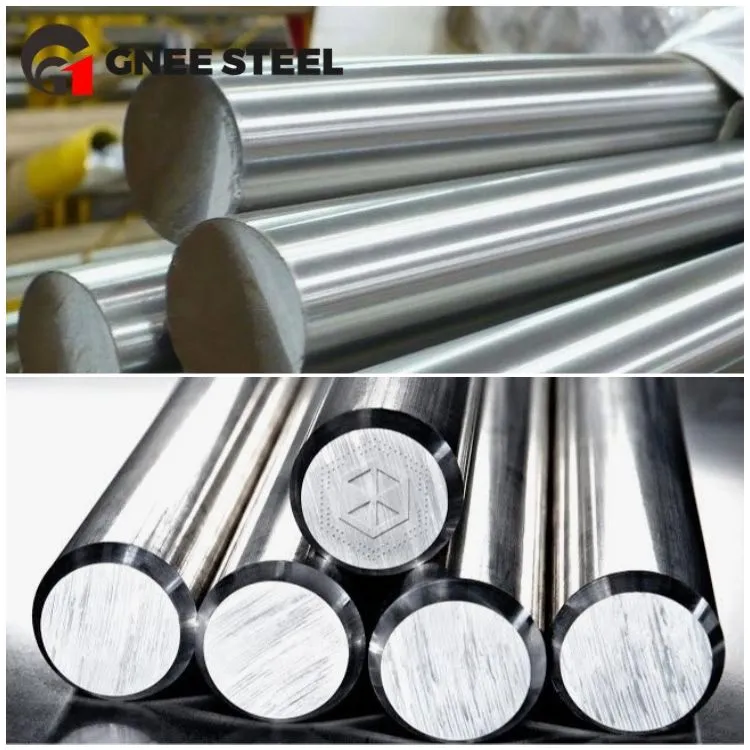
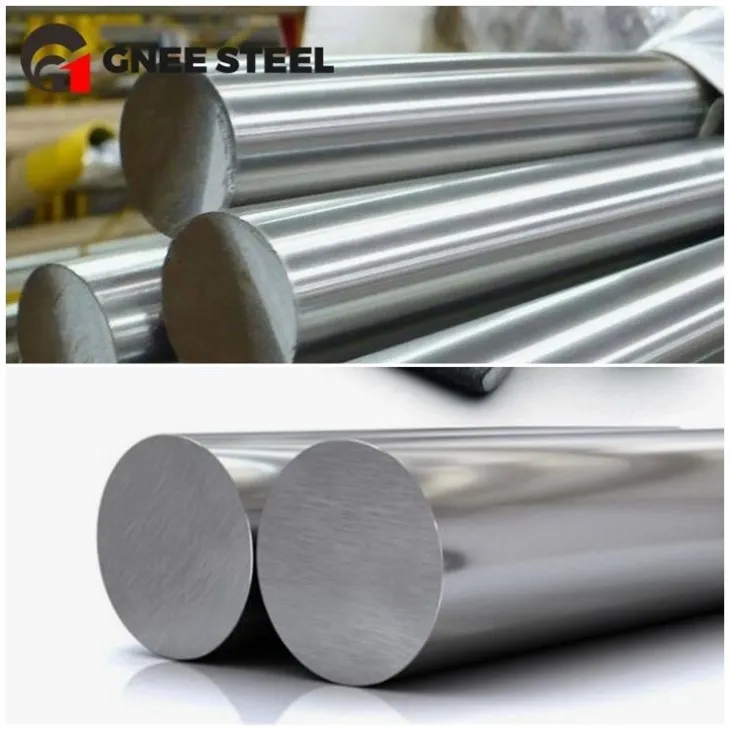
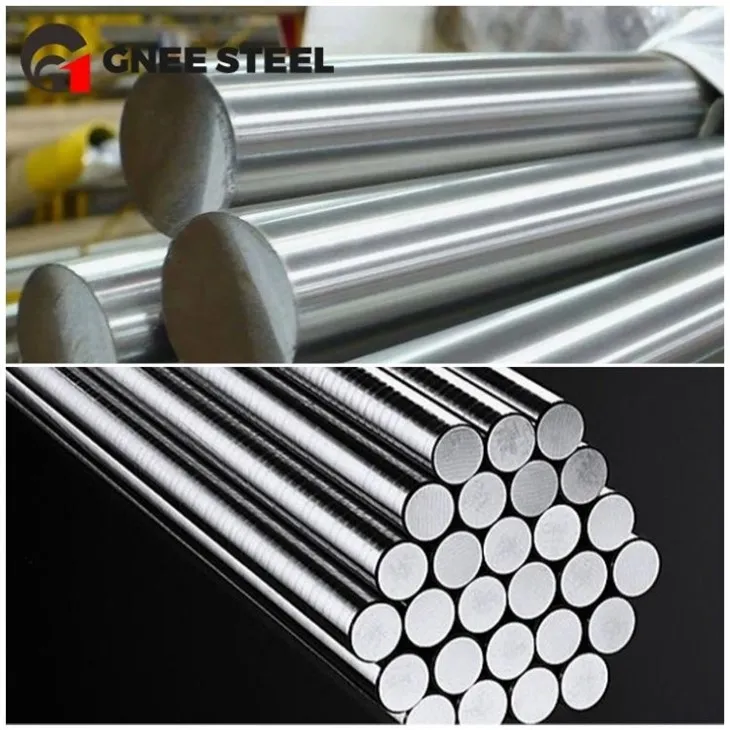
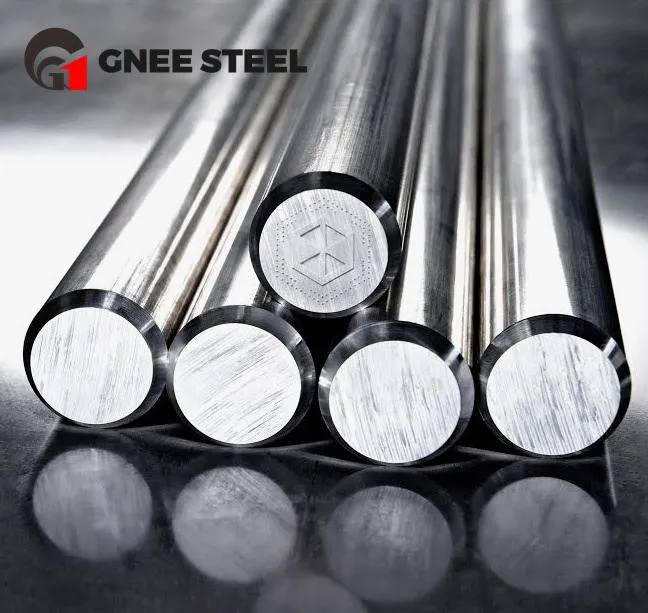
Alloy 400 UNS N04400 , High nickel, Nickel Alloy 20 Round Bar