





Determining the straightness of channel steel is a crucial step in ensuring its quality and suitability for various applications. As a channel steel supplier, I understand the importance of providing high-quality products to our customers. In this blog post, I will share some effective methods to determine the straightness of channel steel, which can help you make informed decisions when purchasing this material.

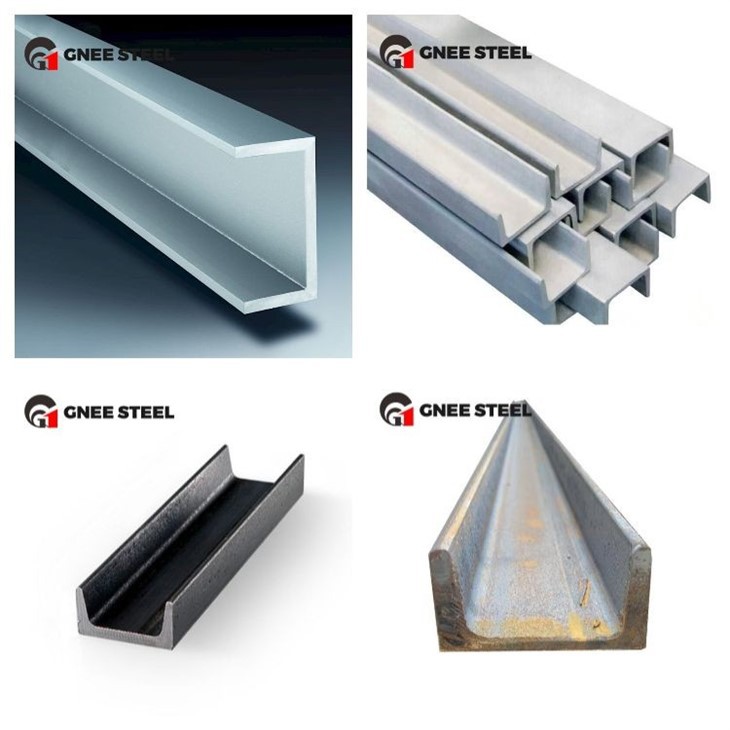
Why Straightness Matters in Channel Steel
Channel steel is widely used in construction, manufacturing, and other industries for its structural support capabilities. If the channel steel is not straight, it can lead to several problems. In construction, misaligned channel steel can cause instability in the structure, potentially compromising its safety. In manufacturing, non - straight channel steel may not fit properly into the intended assembly, leading to production delays and increased costs. Therefore, accurate assessment of straightness is essential.
Visual Inspection
The first and simplest method for determining the straightness of channel steel is visual inspection. This method is quick and can be done on - site without the need for specialized equipment.
- Line of Sight: Stand at one end of the channel steel and look along its length. If the channel steel appears to deviate from a straight line, it may have a straightness issue. Pay attention to any obvious bends, curves, or twists.
- Comparison with a Straight Edge: You can also use a straight edge, such as a long, flat piece of metal or a ruler. Place the straight edge along the channel steel's surface. If there are gaps between the straight edge and the channel steel, it indicates that the channel steel is not perfectly straight.
However, visual inspection has its limitations. It is subjective and may not detect small deviations in straightness. For more accurate measurements, we need to use more advanced methods.
Measuring with a String
Using a string is a more precise way to check the straightness of channel steel compared to visual inspection.
- Setup: Tie a string at one end of the channel steel and stretch it to the other end. Make sure the string is as taut as possible. The string represents a straight line.
- Measurement: Use a measuring tool, such as a caliper or a feeler gauge, to measure the gap between the string and the channel steel at multiple points along its length. If the gaps are consistent and within an acceptable tolerance, the channel steel is considered straight. Larger or inconsistent gaps indicate straightness problems.
Laser Measurement
Laser measurement is a highly accurate method for determining the straightness of channel steel.
- Principle: A laser device emits a straight laser beam. The channel steel is placed in the path of the laser beam. Sensors detect the position of the channel steel relative to the laser beam.
- Advantages: Laser measurement can provide very precise measurements, detecting even small deviations in straightness. It is also fast and can cover a large length of channel steel in a short time. This method is particularly useful for high - precision applications where strict straightness requirements are necessary.
Straightness Tolerances
When determining the straightness of channel steel, it is important to consider the straightness tolerances. Tolerances are the allowable deviations from a perfect straight line. Different industries and applications have different tolerance requirements.
- Industry Standards: For example, in the construction industry, the tolerance for straightness may be relatively larger compared to the aerospace or automotive industries, where higher precision is required. International and national standards, such as ASTM (American Society for Testing and Materials) standards, provide guidelines on straightness tolerances for different types of channel steel.
- Customer Requirements: In addition to industry standards, customer requirements also play a significant role. Some customers may have specific straightness requirements for their projects. As a channel steel supplier, we always strive to meet these requirements to ensure customer satisfaction.
Our Product Range
At our company, we offer a wide range of channel steel products, including EN Channel Steel Beam, Q295A Q295B C Section Mild Steel, and SM540 Hot Rolled Steel C Channel. We are committed to providing high - quality products with excellent straightness. Our quality control team conducts rigorous straightness inspections using the methods mentioned above to ensure that every piece of channel steel meets the required standards.
Conclusion
Determining the straightness of channel steel is a multi - step process that involves both simple visual inspection and more advanced measurement methods. As a channel steel supplier, we understand the importance of straightness in ensuring the quality and performance of our products. By using the appropriate methods and adhering to industry standards and customer requirements, we can provide our customers with channel steel that meets their needs.
If you are in the market for high - quality channel steel, we would be more than happy to discuss your requirements. Whether you need a small quantity for a DIY project or a large order for a commercial construction project, our team of experts can assist you in finding the right product. Contact us today to start the procurement process and let us help you build a strong and reliable structure.
References
- ASTM International. (Year). ASTM standards related to channel steel.
- Industry handbooks on steel manufacturing and quality control.