


Heat treating alloy steel round bars is a crucial process that can significantly enhance their mechanical properties, making them suitable for a wide range of applications. As a round bar supplier, I've witnessed firsthand the importance of proper heat treatment in meeting the diverse needs of our customers. In this blog post, I'll share some insights on how to heat treat alloy steel round bars effectively.
Understanding Alloy Steel Round Bars
Alloy steel round bars are made by combining iron with various alloying elements such as chromium, nickel, molybdenum, and vanadium. These elements are added in specific proportions to impart desired properties like increased strength, hardness, toughness, and corrosion resistance. Different alloy compositions are used depending on the intended application, whether it's in the automotive, aerospace, construction, or manufacturing industries.
For instance, our Hot Rolled ASTM1035 Round Bar is a medium-carbon steel alloy that offers good strength and machinability. It's commonly used in applications where moderate strength and wear resistance are required, such as shafts, axles, and bolts. On the other hand, our 316 Stainless Steel Round Bar contains chromium, nickel, and molybdenum, which provide excellent corrosion resistance, making it ideal for use in marine environments and chemical processing plants. Another popular option is our Carbon Steel Round Bar H-11, which is a high-strength alloy steel known for its excellent hot hardness and wear resistance, making it suitable for applications such as die casting and forging.
The Heat Treatment Process
The heat treatment of alloy steel round bars typically involves three main stages: heating, soaking, and cooling. Each stage plays a crucial role in achieving the desired mechanical properties of the material.
Heating
The first step in the heat treatment process is to heat the alloy steel round bars to a specific temperature. The heating rate should be carefully controlled to avoid thermal shock, which can cause cracking or other defects in the material. The heating temperature depends on the type of alloy steel and the desired properties. For example, to harden a medium-carbon steel like ASTM 1035, it needs to be heated to a temperature between 820°C and 870°C (1510°F and 1598°F).
Soaking
Once the alloy steel round bars reach the desired temperature, they need to be held at that temperature for a certain period of time. This is known as the soaking stage. The soaking time allows the alloying elements to dissolve uniformly in the steel matrix, ensuring that the material has consistent properties throughout. The soaking time depends on the size and shape of the round bars, as well as the type of alloy steel. Generally, larger round bars require longer soaking times.

Cooling
The final stage of the heat treatment process is cooling. The cooling rate has a significant impact on the mechanical properties of the alloy steel round bars. Different cooling methods can be used to achieve different properties. For example, quenching involves rapid cooling by immersing the heated round bars in a quenching medium such as water, oil, or polymer solution. Quenching can significantly increase the hardness of the steel but may also introduce internal stresses and brittleness. To relieve these stresses and improve the toughness of the material, a tempering process is usually carried out after quenching. Tempering involves reheating the quenched round bars to a lower temperature (usually between 150°C and 650°C or 302°F and 1202°F) and holding them at that temperature for a specific period of time before cooling slowly.
Types of Heat Treatment
There are several types of heat treatment processes that can be applied to alloy steel round bars, each with its own specific purpose and benefits.
Annealing
Annealing is a heat treatment process that involves heating the alloy steel round bars to a specific temperature and then cooling them slowly. This process is used to soften the material, relieve internal stresses, and improve its machinability. There are different types of annealing, including full annealing, process annealing, and spheroidizing annealing. Full annealing is typically used for high-carbon steels to produce a soft, ductile microstructure. Process annealing is used to relieve stresses in cold-worked steel, while spheroidizing annealing is used to improve the machinability of high-carbon steels by converting the carbide particles into a spherical shape.
Normalizing
Normalizing is similar to annealing, but the cooling rate is faster. The alloy steel round bars are heated to a temperature above the critical range and then cooled in air. Normalizing is used to refine the grain structure of the steel, improve its strength and toughness, and reduce internal stresses. It is commonly used for medium-carbon and low-alloy steels.
Hardening
Hardening is a heat treatment process that involves heating the alloy steel round bars to a specific temperature and then quenching them rapidly. This process increases the hardness and strength of the material but also makes it more brittle. To improve the toughness of the hardened steel, tempering is usually carried out after hardening.
Tempering
Tempering is a heat treatment process that is carried out after hardening to reduce the brittleness of the material and improve its toughness. The hardened alloy steel round bars are reheated to a temperature below the critical range and held at that temperature for a specific period of time before cooling slowly. The tempering temperature and time depend on the type of alloy steel and the desired properties.
Quality Control
Quality control is an essential part of the heat treatment process. To ensure that the alloy steel round bars meet the required specifications, various tests and inspections should be carried out before, during, and after heat treatment. These tests may include hardness testing, tensile testing, impact testing, and metallographic analysis. Hardness testing is used to measure the hardness of the material, which is an important indicator of its strength and wear resistance. Tensile testing is used to determine the mechanical properties of the material, such as its yield strength, ultimate tensile strength, and elongation. Impact testing is used to evaluate the toughness of the material, while metallographic analysis is used to examine the microstructure of the material to ensure that it has the desired properties.
Considerations for Heat Treating Alloy Steel Round Bars
When heat treating alloy steel round bars, there are several factors that need to be considered to ensure the success of the process.
Size and Shape
The size and shape of the alloy steel round bars can have a significant impact on the heat treatment process. Larger round bars may require longer heating and soaking times to ensure that the center of the bar reaches the desired temperature. The shape of the round bars can also affect the cooling rate, which can lead to uneven hardness and internal stresses. To minimize these problems, it's important to use proper fixtures and tooling during the heat treatment process.
Alloy Composition
Different alloy compositions require different heat treatment parameters. For example, high-alloy steels may require higher heating temperatures and longer soaking times than low-alloy steels. It's important to consult the material specifications and heat treatment guidelines provided by the steel manufacturer to ensure that the correct heat treatment parameters are used.
Quenching Medium
The choice of quenching medium can have a significant impact on the mechanical properties of the alloy steel round bars. Water is a common quenching medium because it provides rapid cooling, which can increase the hardness of the steel. However, water quenching can also cause cracking and distortion in the material. Oil is a slower quenching medium than water, which can reduce the risk of cracking and distortion but may not provide sufficient hardness for some applications. Polymer solutions are another option that can provide a controlled cooling rate and reduce the risk of cracking and distortion.
Conclusion
Heat treating alloy steel round bars is a complex process that requires careful planning and execution. By understanding the different types of heat treatment processes, the factors that affect the heat treatment process, and the importance of quality control, you can ensure that the alloy steel round bars meet the required specifications and perform well in their intended applications.
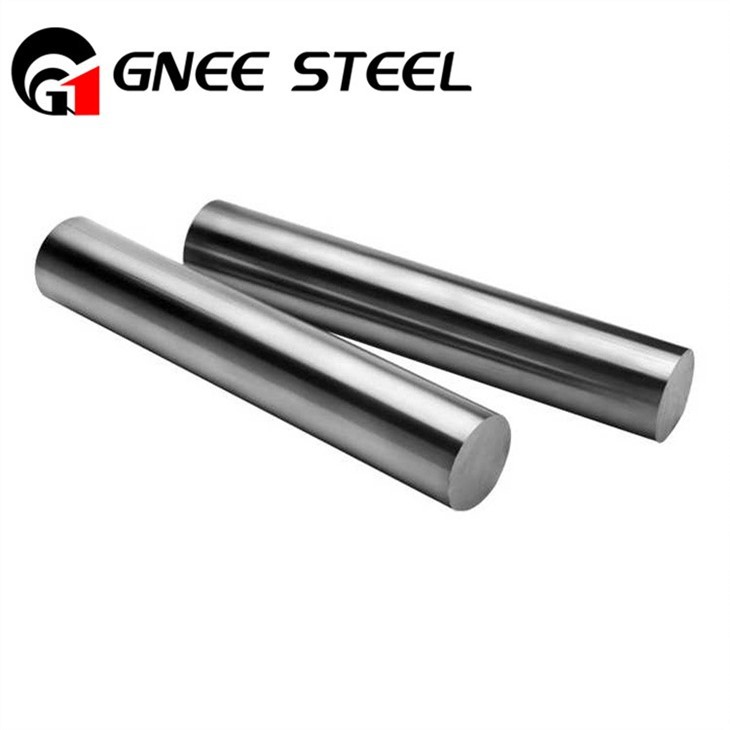
As a round bar supplier, we offer a wide range of alloy steel round bars that are suitable for various heat treatment processes. Our Hot Rolled ASTM1035 Round Bar, 316 Stainless Steel Round Bar, and Carbon Steel Round Bar H-11 are just a few examples of the high-quality products we have to offer. If you have any questions about heat treating alloy steel round bars or would like to discuss your specific requirements, please don't hesitate to contact us. We're here to help you find the right solutions for your needs.

References
- ASM Handbook Volume 4: Heat Treating. ASM International.
- Metals Handbook: Properties and Selection: Irons and Steels. ASM International.
- Heat Treatment Principles and Techniques. George E. Totten, et al.