


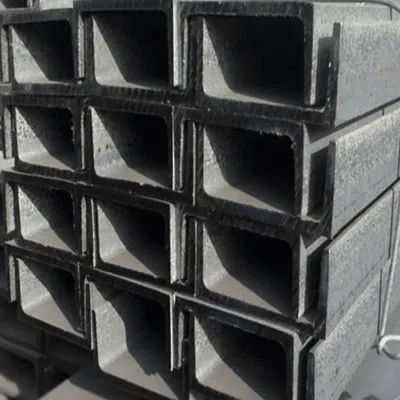


Sheet pile installation is a crucial process in various construction projects, including waterfront structures, retaining walls, and foundation support. As a sheet pile supplier, I understand the importance of ensuring the safety of workers during this operation. In this blog post, I will discuss the key safety measures that workers should follow during sheet pile installation to prevent accidents and injuries.
Pre - installation Safety Preparations
Site Assessment
Before starting the sheet pile installation, a thorough site assessment is essential. Workers should examine the site for any potential hazards such as underground utilities, unstable soil conditions, or nearby structures. This assessment helps in identifying areas that may pose a risk during the installation process. For example, if there are underground cables or pipes, proper markings and precautions need to be taken to avoid damage.
Equipment Inspection
All equipment used for sheet pile installation, including pile drivers, cranes, and excavators, must be inspected regularly. Check for any signs of wear and tear, loose parts, or malfunctioning components. Ensure that all safety features such as emergency stop buttons, safety guards, and warning lights are in working order. For instance, a malfunctioning pile driver can cause the sheet piles to be installed incorrectly or even lead to equipment failure during the operation.
Personal Protective Equipment (PPE)
Workers must wear appropriate PPE at all times during sheet pile installation. This includes hard hats to protect against falling objects, safety glasses to shield the eyes from dust and debris, high - visibility vests for better visibility on the site, and steel - toed boots to prevent foot injuries. In addition, ear protection should be worn when operating noisy equipment like pile drivers.
Safety Measures During Installation
Crane and Pile Driver Operations
When using a crane to lift and position sheet piles, the crane operator must be well - trained and follow all safety procedures. The load capacity of the crane should never be exceeded, and the lifting ropes and hooks should be inspected for any signs of damage. During pile driving, the pile driver should be set up on a stable surface. The operator should ensure that the pile is properly aligned before starting the driving process. Misaligned piles can cause uneven stress on the equipment and the sheet piles, increasing the risk of accidents.
Sheet Pile Handling
Workers should handle sheet piles with care to avoid injuries. When moving the sheet piles, use proper lifting equipment and techniques. Avoid dropping or throwing the sheet piles, as this can cause them to break or damage other equipment. When stacking sheet piles, ensure that the stacks are stable and do not exceed the recommended height. Unstable stacks can collapse and injure workers nearby.
Working in Confined Spaces
If the sheet pile installation involves working in confined spaces, additional safety measures must be taken. Workers should be trained in confined - space entry procedures, including proper ventilation, gas monitoring, and emergency rescue techniques. A confined - space entry permit should be obtained before entering the area, and at least one worker should be stationed outside the confined space as a safety observer.
Weather Conditions
Weather conditions can have a significant impact on sheet pile installation safety. Strong winds can affect the stability of cranes and pile drivers, while rain can make the site slippery. In case of adverse weather conditions such as high winds, heavy rain, or lightning, work should be stopped immediately. Workers should seek shelter in a safe area until the weather improves.
Post - installation Safety
Clean - up and Inspection
After the sheet pile installation is complete, the site should be cleaned up. Remove any debris, tools, or equipment from the area to prevent tripping hazards. Conduct a final inspection of the installed sheet piles to ensure that they are properly installed and stable. Check for any signs of damage or misalignment that may require further attention.
Equipment Maintenance
All equipment used during the sheet pile installation should be properly maintained after the operation. This includes cleaning, lubricating, and storing the equipment in a safe place. Regular maintenance helps to extend the lifespan of the equipment and ensures its safe operation in future projects.
Promoting Safety Culture
As a sheet pile supplier, I believe that promoting a safety culture on the construction site is crucial. Employers should provide regular safety training to workers, covering all aspects of sheet pile installation safety. Encourage workers to report any safety concerns or near - misses immediately. By creating a culture where safety is everyone's responsibility, we can significantly reduce the risk of accidents and injuries during sheet pile installation.


Our Sheet Pile Products
We offer a wide range of high - quality sheet piles, including Hot Rolled Sheet Pile, Z Type Steel Sheet Pile, and U Shaped Steel Sheet Pile. These products are designed to meet the highest safety and quality standards, ensuring a reliable solution for your construction projects.
Contact Us for Procurement
If you are looking for a reliable sheet pile supplier, we are here to assist you. Our team of experts can provide you with detailed product information, technical support, and competitive pricing. Whether you have a small - scale project or a large - scale infrastructure development, we can meet your sheet pile requirements. Contact us to start the procurement process and discuss your specific needs.
References
- Construction Safety Handbook, Third Edition. McGraw - Hill Professional.
- OSHA Guidelines for Construction Site Safety. Occupational Safety and Health Administration.
- Best Practices for Sheet Pile Installation. Industry - recognized construction safety organizations.