





Hey there! As a channel steel supplier, I often get asked about the elastic modulus of channel steel. So, let's dive right into it and break down what this term means and why it's super important.
First off, what the heck is the elastic modulus? Well, in simple terms, it's a measure of how much a material can resist deformation when a force is applied to it. You can think of it as a material's "stiffness." When we talk about channel steel, the elastic modulus tells us how much the steel will stretch or compress under a load before it starts to deform permanently.
Now, channel steel comes in different grades and materials, and each one has its own unique elastic modulus. For instance, the common types of channel steel we deal with, like Q235 Q345B C Channel Beam, SS490 C Shape Steel Beam, and Q345 Q235 C Section Steel, have their own specific values for the elastic modulus.
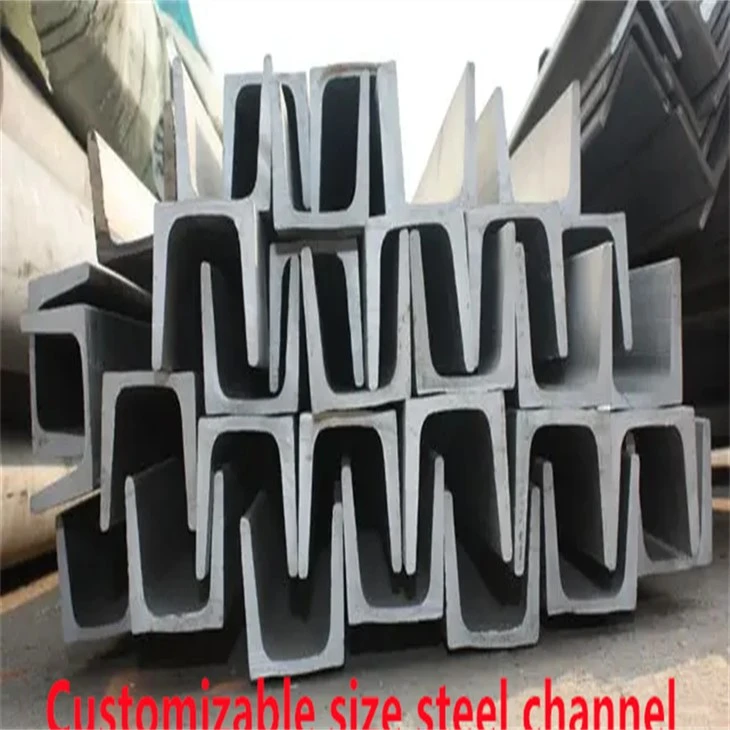

For most structural steels, including the ones used in channel steel, the elastic modulus is typically around 200 GPa (gigapascals). That's a pretty high number, which means that channel steel is quite stiff and can handle a fair amount of stress without deforming too much. But it's important to note that this value can vary depending on factors like the exact composition of the steel, its heat treatment, and even the manufacturing process.
Let's take a closer look at why the elastic modulus of channel steel matters. In construction and engineering, knowing the elastic modulus is crucial for designing structures that can withstand the loads they'll be subjected to. For example, if you're building a bridge or a building, you need to make sure that the channel steel you use can support the weight of the structure and any additional loads, like traffic or wind.
If the elastic modulus is too low, the channel steel might deform under the load, which could lead to structural failure. On the other hand, if the elastic modulus is too high, the steel might be too stiff and brittle, which could also cause problems. So, finding the right balance is key.
Another reason why the elastic modulus is important is for calculating the deflection of a channel steel beam. Deflection is the amount that a beam bends or sags under a load. By knowing the elastic modulus, engineers can use mathematical formulas to predict how much a channel steel beam will deflect and make sure that it stays within acceptable limits.
Now, as a channel steel supplier, I understand that you might have some questions about which type of channel steel is right for your project. That's where I come in! I can help you choose the right grade and size of channel steel based on your specific needs and requirements.
Whether you're working on a small DIY project or a large-scale construction job, I've got you covered. I have a wide range of channel steel products in stock, including different grades and sizes, so you can find the perfect fit for your project.
If you're interested in learning more about the elastic modulus of channel steel or need help choosing the right product for your project, don't hesitate to get in touch. I'm here to answer your questions and provide you with the information you need to make an informed decision.
In conclusion, the elastic modulus of channel steel is an important property that affects its performance and suitability for different applications. By understanding this concept, you can make better decisions when it comes to choosing the right channel steel for your project. So, if you're in the market for channel steel, give me a shout, and let's work together to find the perfect solution for you.
References:
- "Mechanics of Materials" by James M. Gere and Barry J. Goodno
- "Structural Steel Design" by William T. Segui