


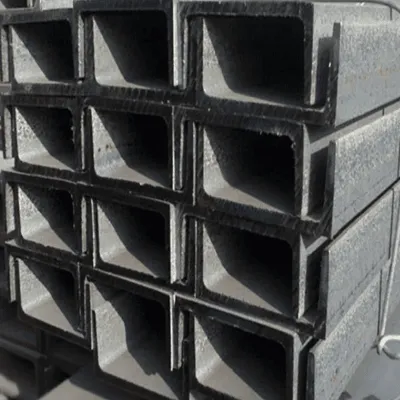


Product Parameters
| Product Name | Stainless Steel H beam / I beam |
| Material | 201 202 301 304 304L 316 316L 321 309S 310S 410 420 430 436 436L 2205 904L etc. |
| Standard | ASTM,AISI,SUS,JIS,EN,DIN,BS,GB |
| Technique | Cold drawn/hot drawn |
| Surface | Pickled , bright, polished |
| Thickness | 5-34mm |
| Flange Thickness | 8-64mm |
| Web Thickness | 5-36.5mm |
| Web Width | 100-900mm |
| Length | 5.8/6m or custom |
| Application | Stainless steel beam can apply to construction field, ships building industry, petroleum & chemical industries, war and electricity industries, food processing and medical industry ,machinery and hardware fields. Stainless steel beam can be made according to the customer's requirements. |
| Tips | The sizes or diameter and length of stainless steel beam can be customized, if you need additional information, please don't hesitate to contact us at any time. |
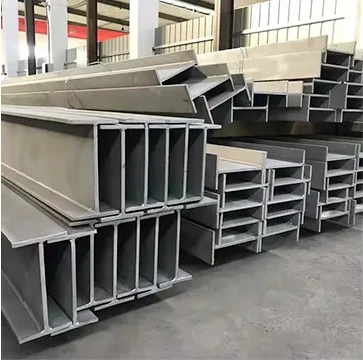
1.Do they make stainless steel I-beams?
Penn Stainless Products supplies stainless beams in 304/304L and 316/316L. Stainless beams are primarily rolled or extruded up to 6″ height x 3.332″ flange with web thickness up to . 232″.
2.Is 304 or 316 stainless steel better?
Though the stainless steel 304 alloy has a higher melting point, grade 316 has a better resistance to chemicals and chlorides (like salt) than grade 304 stainless steel. When it comes to applications with chlorinated solutions or exposure to salt, grade 316 stainless steel is considered superior.
3.What is the best material for an I-beam?
Steel is widely used in beam design due to its high strength-to-weight ratio, durability, and ability to withstand significant loads with relatively small cross-sectional areas. Steel beams are particularly suited for applications with large spans or high load requirement
4.What type of steel is used for I-beams?
structural steel
I-beams are commonly made of structural steel but may also be formed from aluminium or other materials. A common type of I-beam is the rolled steel joist (RSJ), sometimes incorrectly rendered as reinforced steel joist. British and European standards also specify Universal Beams (UBs) and Universal Columns (UCs).
5.Are steel beams cheaper than wood beams?
Cost. Wooden beams cost less on average than steel beams due to the added delivery and equipment costs of installing universal steel beams. However, the other advantages of structural steel could help save you money in the long run, making them a fantastic investment.