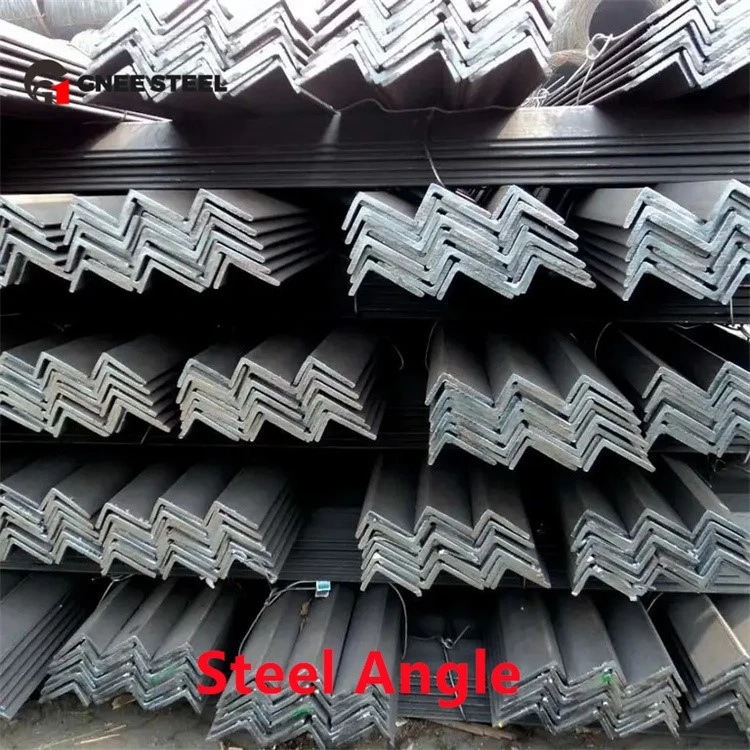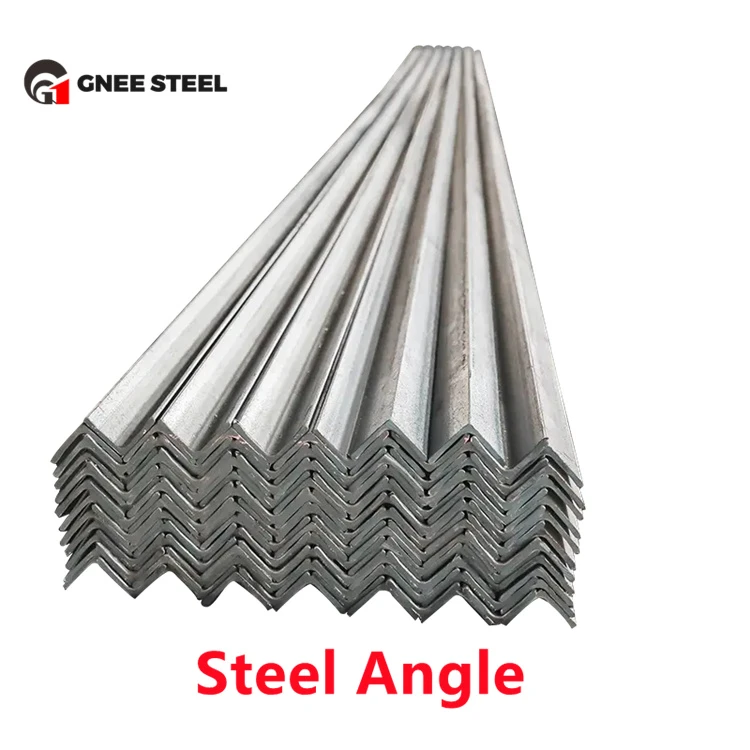


Hot-rolled angle bar, also referred to as angle iron bar, is a pivotal structural steel product characterized by its L-shaped cross-section, which endows it with excellent load-bearing capacity and structural stability. The product line covers a comprehensive range of material grades and thickness specifications, tailored to meet the diverse requirements of industrial construction, mechanical manufacturing, and infrastructure projects.
In terms of material properties, the angle bars are available in multiple high-quality carbon steel and low-alloy high-strength steel grades, including Q195, Q235, Q355, 20#, and 45#. Q195 and Q235 are typical carbon structural steels, boasting good ductility, weldability, and formability, making them ideal for general structural applications such as frame fabrication, support brackets, and decorative components. Q355, as a low-alloy high-strength steel, offers enhanced tensile strength and impact resistance, suitable for heavy-duty structural projects that demand higher load-bearing performance, such as bridge construction, mechanical equipment bases, and offshore platforms. 20# and 45# are high-quality carbon structural steels with precise chemical composition control; 20# steel features excellent machinability and weldability, widely used in the manufacturing of mechanical parts and pipelines, while 45# steel has higher hardness and strength after heat treatment, making it suitable for load-bearing components and mechanical transmission parts.
The thickness specification of the hot-rolled angle bars ranges from 3mm to 24mm, with corresponding changes in cross-sectional dimensions and weight per unit length to adapt to different force-bearing conditions. The hot-rolling production process ensures uniform metal structure, dense internal organization, and smooth surface of the angle bars, effectively improving their mechanical properties and service life. Additionally, the L-shaped cross-section design allows for flexible assembly and connection, enabling the formation of stable truss and frame structures through welding, bolting, or riveting, which is widely applied in construction engineering (such as building frames, roof trusses, and stair handrails), mechanical manufacturing (such as equipment frames, tool fixtures, and transmission components), and infrastructure construction (such as highway guardrails, railway accessories, and power tower supports).
All our ASTM A36, A53, Q235, and Q345 angle steel bars strictly comply with corresponding international and national standards. A comprehensive quality control system is implemented throughout the entire production cycle-from raw material procurement and hot-rolling processing to finished product inspection. Key quality verification procedures include chemical composition analysis, mechanical property testing (tensile, yield, and impact tests), dimensional accuracy measurement, and surface defect inspection. This rigorous quality assurance ensures that each batch of products meets the precise requirements of customers' application scenarios. With reliable quality, diverse grade options, and excellent structural performance, our angle steel bars have gained trust from customers globally, serving as a critical structural component in construction, machinery, transportation, and infrastructure projects.