Group 1
What is ASTM A36 in wide flange H beams?
It's a common carbon steel for wide flange H beams, with 36 ksi yield strength. Good weldability and affordability make it ideal for buildings and bridges.
How do S235jr and S275jr differ for H beams?
S235jr has 235 MPa yield strength, suited for light structures. S275jr (275 MPa) is stronger, better for heavy loads and larger spans.
What is SS400 in H beam use?
A Japanese carbon steel for hot-rolled H beams, with 400-510 MPa tensile strength. Used in Asian factories, warehouses, and infrastructure for its workability.
What defines a "wide flange" H beam?
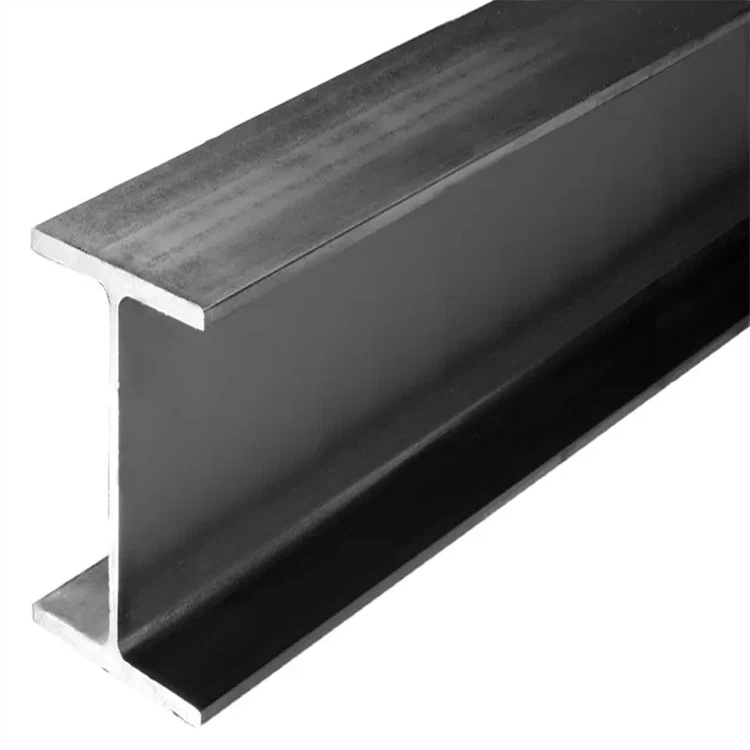
It has wider, thicker flanges than standard I beams. This boosts stability and load capacity, perfect for large-span structures like skyscrapers.
What are HEA, HEB, IPE sections?
HEA: narrow flanges, light loads. HEB: wider, thicker flanges, heavy-duty use. IPE: slim webs, optimized for one-direction bending. All fit specific structural needs.
Group 2
Can ASTM A36 H beams work in cold climates?
Yes, they handle moderate cold due to ductility. For extreme lows, extra impact tests may be needed. Weldability aids cold-weather construction.
Why is S235jr popular for H beams?
It balances strength, cost, and ease of fabrication. Low carbon ensures good weldability, reliable for homes and small industrial frames. Meets European standards.
How does S275jr boost H beam performance?
Higher yield strength resists deformation under heavy loads. Allows longer spans, suits large buildings. Good toughness reduces failure risk, balances cost and performance.
Are SS400 H beams internationally compatible?
Generally, yes. Similar to ASTM A36/S235jr for basic use. For strict standards, check chemical/mechanical properties. Widely used in Asia, fitting regional practices.
Why prefer hot-rolled over welded H beams?
Hot-rolled are seamless, with uniform strength and no weld weak points. More durable, precise in dimensions, cost-effective for mass projects, and resist corrosion better.
Group 3
What's the load capacity edge of wide flange H beams?
Wider flanges spread weight better, handling heavier loads than I beams. Less bending/twisting, more lateral stability. Ideal for high-rises needing fewer supports.
How do ASTM A36 and SS400 compare for H beams?
Both are carbon steels for similar uses. ASTM A36 (360-580 MPa tensile) is common in North America. SS400 (400-510 MPa) prevails in Asia. Both weldable and ductile.
What uses suit S275jr H beams?
Industrial buildings, bridges, heavy machinery supports. Excel in large spans with heavy weights, like warehouse roofs. Handle dynamic loads from traffic or machinery.
What role do HEB sections play?
They're key for medium-heavy H beam construction. Thick flanges/webs offer rigidity, bearing heavy vertical/horizontal loads. Used in large buildings, bridges, industrial plants.
Can IPE replace HEA sections?
Sometimes. IPE is lighter, cheaper for light-medium loads. HEA has thicker parts, better for heavy loads/long spans. Engineers choose based on load, span, and budget.
Group 4
How does hot rolling affect H beam durability?
It refines grain structure, making beams denser and defect-free. Resists corrosion, fatigue, and warping. Maintains strength under repeated loads, lasting in bridges and commercial buildings.
Why use S235jr H beams for homes?
Enough strength for home frameworks, not overly heavy or costly. Weldable for custom roof trusses/floor supports. Handles minor structural movement, meets European safety standards.
Are ASTM A36 wide flange H beams cost-effective?
Yes. Affordable, widely available steel cuts material costs. Efficient hot rolling keeps production cheap. High capacity means fewer beams, lowering total usage and long-term maintenance.
How do SS400 H beams aid sustainability?
100% recyclable, reducing waste. Long lifespan cuts replacements. Efficient production uses less energy. Good strength-to-weight ratio saves material, and easy workability shortens construction time.
What's the difference between welded and hot-rolled wide flange H beams?
Welded: made by joining parts, with potential weld weak points. Hot-rolled: single piece, seamless, uniform strength. Hot-rolled are more durable, better for critical structures; welded suit custom sizes.
Group 5
Can ASTM A36 H beams be painted/coated?
Yes. Paint or galvanizing boosts corrosion resistance. Good for outdoor structures like bridges. Smooth hot-rolled surface helps coatings adhere. Proper prep (cleaning, priming) extends coating life.
What tests ensure S275jr H beams meet standards?
Tensile tests check strength, impact tests verify toughness. Chemical analysis confirms composition. Dimensional and bend tests ensure fit and ductility. Certified labs and EN standard checks guarantee quality.
How do HEB sections handle dynamic loads?
Thick flanges/webs spread dynamic forces evenly, reducing stress. Resist vibration, stay stable under repeated/sudden loads. Ideal for industrial buildings, busy bridges, and wind/seismic areas.
Why use universal H beams in modular construction?
Standard dimensions ease off-site prefabrication. Light yet strong, modules transport easily. Compatible with fasteners, simplifying on-site assembly. Durable and easy to expand/modify.
What's SS400 H beams' outdoor lifespan?
30-50 years normally; longer with coating/maintenance. Corrodes faster in humid/coastal areas unprotected. Inherent wear resistance and good design keep them sound for decades.