Set 1
Question: What is a carbon steel coil, and how is it categorized?
Answer: A carbon steel coil is a continuous rolled sheet of carbon steel wound into a coil shape for easy storage and transportation. It's categorized by production process: hot rolled (HR) and cold rolled (CR). Hot rolled coils are made by rolling heated steel billets, with a rough surface and thickness from 1.2mm to 25mm. Cold rolled coils are processed from HR coils at room temperature, offering a smooth finish and tighter tolerances, usually 0.15mm to 3mm thick. They're also classified by carbon content: low (≤0.25%), medium (0.25%-0.6%), and high (>0.6%). Common uses include automotive parts, construction, and appliance manufacturing.
Question: How do ASTM A36 and Q235 carbon steels compare?
Answer: ASTM A36 (American standard) and Q235 (Chinese GB standard) are both low-carbon structural steels. A36 has a minimum yield strength of 36 ksi (250 MPa), while Q235's yield strength is 235 MPa-their strength levels are nearly equivalent. Both offer excellent weldability, machinability, and ductility, suitable for general structural use. A36 is widely used in North America for buildings, bridges, and machinery, while Q235 is common in China for similar applications. The main difference is their standard origin, leading to slight variations in chemical composition, but they're often interchangeable in non-specified projects.
Question: What does "5mm, 10mm, 15mm" refer to in carbon steel products?
Answer: These numbers indicate the thickness of carbon steel products like coils, sheets, or plates. 5mm carbon steel is lightweight yet sturdy, used for brackets, light machinery parts, and decorative elements. 10mm steel is thicker, ideal for structural components like beams, frames, and industrial equipment bases. 15mm steel is heavy-duty, suitable for heavy machinery, construction columns, and load-bearing plates. Thickness directly affects strength-thicker steel bears more load but is heavier and costlier. The choice depends on the application's load requirements and weight constraints.
Question: What is the difference between alloy and non-alloy carbon steel?
Answer: Non-alloy carbon steel primarily contains iron and carbon (≤2%), with minimal other elements (e.g., manganese <1.65%). It's affordable, easy to process, and used for general purposes like construction and basic machinery. Alloy carbon steel has added elements like chromium, nickel, or molybdenum to enhance properties. For example, chromium improves corrosion resistance, while molybdenum boosts high-temperature strength. Alloy steel is stronger, more durable, but costlier than non-alloy steel. It's used in high-performance applications like automotive engines, tools, and aerospace components.
Question: What is Q195 carbon steel, and what is it used for?
Answer: Q195 is a Chinese low-carbon non-alloy steel with a minimum yield strength of 195 MPa. It has very low carbon content (<0.12%), making it extremely ductile and easy to form-ideal for cold working processes like bending, drawing, and rolling. Q195 is used for lightweight, non-load-bearing products: wire mesh, nails, pipes, sheet metal parts, and packaging materials. It's not suitable for structural load-bearing applications due to its lower strength. Its low cost and excellent workability make it popular for mass-produced, low-stress items.
Set 2
Question: How does hot rolled (HR) carbon steel differ from cold rolled (CR) carbon steel?
Answer: HR and CR carbon steel differ in production and properties. HR steel is rolled at high temperatures (1100-1250°C), resulting in a rough surface, inconsistent dimensions, and good ductility. It's cost-effective and used for structural parts like beams and frames. CR steel is rolled from HR steel at room temperature, producing a smooth, shiny surface and tight tolerances. It's harder, stronger, but less ductile than HR steel. CR steel is used for applications needing precision, such as automotive panels, appliances, and decorative parts. HR steel is thicker (1.2mm+), while CR steel is thinner (0.15-3mm).
Question: What is ASTM A53 carbon steel, and where is it applied?
Answer: ASTM A53 is a standard for seamless and welded carbon steel pipes and tubes. It's available in two grades: A (lower strength) and B (higher strength). A53 steel has good weldability and is resistant to moderate corrosion. It's widely used for transporting water, gas, and oil in plumbing and pipeline systems. It also finds use in structural applications like scaffolding, machinery frames, and automotive parts. Seamless A53 pipes are used for high-pressure applications, while welded ones are for low-pressure uses. Its versatility and compliance with international standards make it a global industry staple.
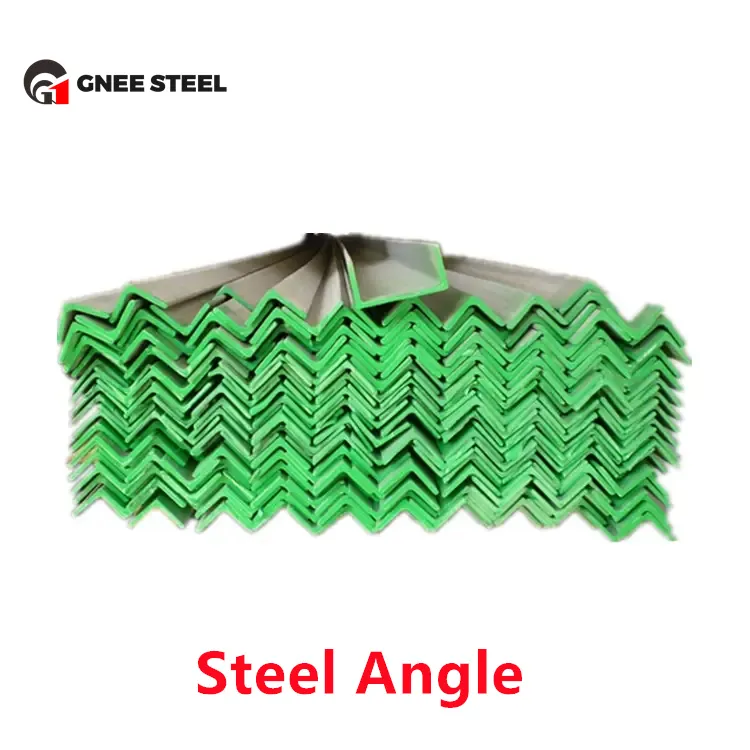
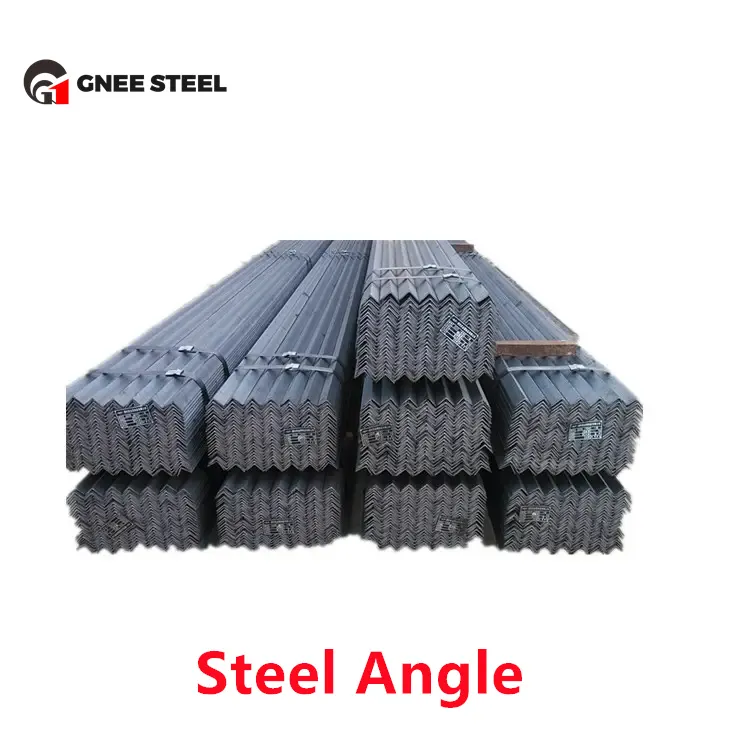
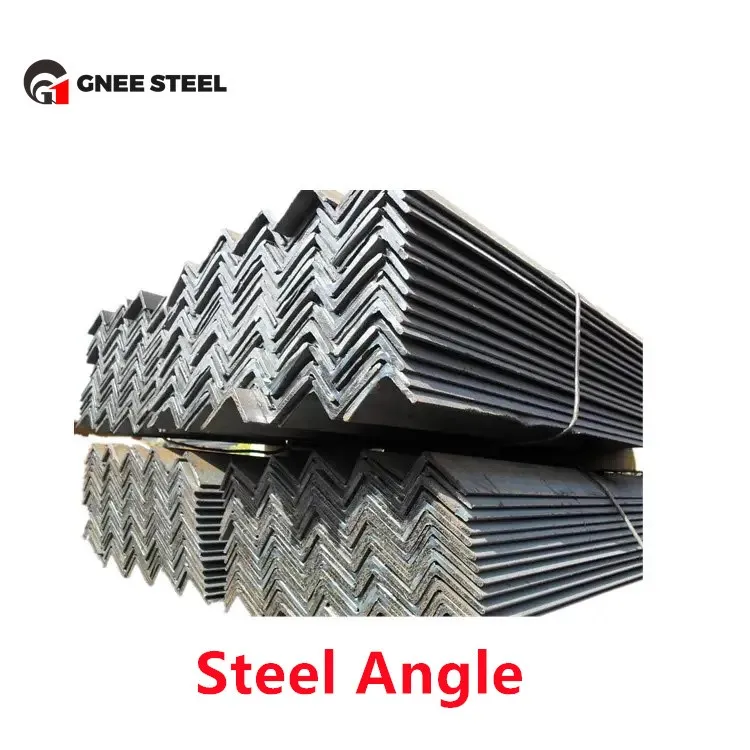
Question: What is angle steel, and how is it related to carbon steel grades like Q235B?
Answer: Angle steel is an L-shaped structural steel with equal or unequal leg lengths, made from carbon steel. Q235B is a common grade used for angle steel-its yield strength of 235 MPa and impact toughness (tested at 20°C) make it suitable for structural support. Angle steel from Q235B is hot rolled, offering good weldability and workability. It's used in building frames, trusses, brackets, and bracing to distribute loads. The combination of Q235B's strength and angle steel's shape provides rigidity, making it essential in construction and machinery manufacturing.
Question: What are the features of Q235B carbon steel sheets?
Answer: Q235B carbon steel sheets are low-carbon, hot or cold rolled sheets with a minimum yield strength of 235 MPa. They have good weldability, allowing easy joining via welding, bolting, or riveting. Q235B sheets offer balanced ductility and strength, making them easy to cut, bend, and form into various shapes. Hot rolled Q235B sheets have a rough surface, ideal for structural uses like building cladding and machinery covers. Cold rolled ones have a smooth finish, suitable for appliances and automotive parts. They're cost-effective, widely available, and used in construction, manufacturing, and agriculture.
Question: Why is non-alloy carbon steel preferred for mass-produced items?
Answer: Non-alloy carbon steel is favored for mass production due to its low cost-minimal alloy elements keep raw material expenses down. It's easy to process with standard manufacturing methods (rolling, forging, welding), reducing production time and labor costs. Non-alloy steel has consistent properties, ensuring uniformity across large batches of products. It's widely available globally, with stable supply chains that support high-volume production. Additionally, it's recyclable, making it environmentally friendly and cost-effective for industries like automotive, construction, and packaging that require large quantities of steel.
Set 3
Question: What is Q215 carbon steel, and how does it compare to Q235?
Answer: Q215 is a Chinese low-carbon non-alloy steel with a minimum yield strength of 215 MPa, slightly lower than Q235's 235 MPa. It has higher ductility than Q235 due to its slightly lower carbon content (0.15% max vs. Q235's 0.22% max). Q215 is easier to cold form, making it suitable for products like wire, pipes, and sheet metal parts. Q235, with higher strength, is used for structural components like frames and beams. Both offer good weldability and are cost-effective, but Q215 is preferred for forming processes, while Q235 is better for load-bearing applications.
Question: What are the common uses of 10mm carbon steel plates?
Answer: 10mm carbon steel plates are versatile, used in construction for building frames, columns, and floor plates. In machinery manufacturing, they're used to make machine bases, tooling tables, and equipment housings. They're ideal for fabricating storage tanks, silos, and pressure vessels for low-pressure applications. In automotive and transportation, 10mm plates are used for truck beds, trailer frames, and heavy-duty brackets. Their balance of thickness, strength, and workability makes them suitable for both structural and industrial applications where moderate load-bearing capacity is needed.
Question: How to choose between hot rolled and cold rolled carbon steel coils?
Answer: Choose HR coils for applications where surface finish and tight tolerances aren't critical-they're cheaper and suitable for structural parts, pipes, and heavy machinery. HR coils are better for welding and bending due to higher ductility. CR coils are ideal for precision parts like automotive panels, appliances, and electronics, thanks to their smooth surface and consistent thickness. They're stronger but more expensive than HR coils. Consider load requirements: HR for heavy loads, CR for light, precise components. Also, factor in cost, surface needs, and manufacturing processes (e.g., cold forming requires CR).
Question: What is Q345 carbon steel, and what makes it unique?
Answer: Q345 is a Chinese low-alloy high-strength steel with a minimum yield strength of 345 MPa, significantly higher than Q235. It contains small amounts of alloy elements (manganese, silicon, vanadium) that enhance strength without sacrificing weldability. Q345 offers excellent impact toughness, especially in grades like Q345B (tested at 20°C) and Q345D (tested at -20°C). It's used for heavy-duty structural applications: bridges, high-rise buildings, cranes, and pressure vessels. Its high strength-to-weight ratio reduces material usage, making it cost-effective for large-scale projects needing superior load-bearing capacity.
Question: What are the advantages of carbon steel sheets in construction?
Answer: Carbon steel sheets are advantageous in construction due to their high strength, supporting building loads and resisting structural deformation. They're durable, withstanding weather and wear for long service lives. Carbon steel sheets are versatile-available in various thicknesses (0.5mm-20mm) and finishes for cladding, roofing, and wall panels. They're easy to install, with options for welding, bolting, or fastening. Cost-effective compared to materials like stainless steel, they fit most construction budgets. Additionally, they're recyclable, aligning with sustainable building practices.
Set 4
Question: What is the role of carbon steel coils in the automotive industry?
Answer: Carbon steel coils are foundational in the automotive industry, used to produce body panels (doors, hoods) from cold rolled coils (smooth finish, precision). Hot rolled coils make structural components like chassis frames, engine mounts, and suspension parts (high strength, ductility). Thin-gauge CR coils are used for interior parts (dashboards, seat frames) due to their formability. Alloy carbon steel coils are used for high-stress parts like gears and axles, offering enhanced strength. Coils are preferred for automotive manufacturing because they enable continuous, high-volume production, ensuring consistency across vehicle parts.
Question: How does carbon content affect the properties of carbon steel?
Answer: Carbon content directly impacts carbon steel's properties. Low-carbon steel (<0.25% C) is ductile, easy to weld and form, but has lower strength-used for pipes, sheets, and nails. Medium-carbon steel (0.25%-0.6% C) balances strength and ductility, suitable for gears, shafts, and structural parts. High-carbon steel (>0.6% C) is hard, strong, but brittle-used for tools, knives, and springs. Higher carbon content increases hardness and strength but reduces weldability and ductility. Manufacturers adjust carbon content based on the application's needs, ensuring the steel has the right balance of properties.
Question: What is the difference between Q235 and Q235B carbon steel?
Answer: Q235 is a general grade, while Q235B is a specific sub-grade with impact toughness requirements. Q235A has no specified impact test, Q235B requires a 27 J impact energy at 20°C. Both have the same yield strength (235 MPa) and chemical composition, but Q235B is more reliable for applications with potential impact loads (e.g., building frames, machinery). Q235A is used for non-critical parts (e.g., brackets, supports) where impact resistance isn't needed. Q235B is more widely used in structural applications due to its enhanced toughness, ensuring safety under dynamic loads.
Question: What are the uses of alloy carbon steel in industrial settings?
Answer: Alloy carbon steel is used in industrial settings for high-performance components. Chromium-alloy steel is used for valves, pumps, and pipes in chemical plants due to corrosion resistance. Molybdenum-alloy steel is used for boilers and heat exchangers, as it retains strength at high temperatures. Nickel-alloy steel is used for heavy machinery gears and shafts, offering high toughness and wear resistance. Tungsten-alloy steel is used for cutting tools and dies, due to extreme hardness. Alloy steel's tailored properties make it essential for industries needing parts that withstand harsh conditions (heat, corrosion, wear).
Question: How to maintain carbon steel products to prevent corrosion?
Answer: Maintain carbon steel by applying protective coatings: hot-dip galvanizing (zinc layer) for long-term protection, paint (primer + topcoat) for cost-effective coverage, or powder coating for a durable finish. Keep steel dry-store in covered areas and use moisture barriers to prevent rust. Regular cleaning (wire brushing, pressure washing) removes dirt and rust spots before they spread. Apply corrosion inhibitors (oils, greases) to moving parts like gears and hinges. For outdoor products, use weathering steel (e.g., Q355NH) that forms a protective patina, reducing maintenance needs.
Set 5
Question: What is the significance of ASTM standards for carbon steel products?
Answer: ASTM standards (e.g., A36, A53) provide uniform specifications for carbon steel's chemical composition, mechanical properties, and manufacturing processes. They ensure consistency and quality across products, regardless of manufacturer. ASTM standards are globally recognized, facilitating international trade and ensuring compatibility between steel products from different regions. They guide manufacturers in production, helping avoid defects and ensuring safety. For buyers, ASTM standards simplify product selection, as they know the steel will meet specific performance requirements. Compliance with ASTM standards is often mandatory for construction and industrial projects to meet safety codes.
Question: What are the features of 15mm carbon steel plates?
Answer: 15mm carbon steel plates are thick, heavy-duty plates with high load-bearing capacity. They're made from grades like A36, Q235, or Q345, offering strength suitable for heavy machinery, construction columns, and bridge components. 15mm plates have good weldability, allowing fabrication into large structures like storage tanks and industrial frames. They're resistant to deformation under heavy loads, making them ideal for static and dynamic stress applications. Hot rolled 15mm plates have a rough surface, while cold rolled ones (less common at this thickness) have a smoother finish. They're used in mining, construction, and manufacturing where durability and strength are critical.
Question: What is the difference between carbon steel coils and steel sheets?
Answer: Carbon steel coils are continuous, long sheets wound into coils for storage and transportation-they're large, typically 1-5 tons, and used for high-volume production. Steel sheets are cut from coils into flat, rectangular pieces of standard sizes (e.g., 1m×2m). Coils are processed into sheets, pipes, or other shapes, while sheets are ready for immediate use in fabrication. Coils are more cost-effective for bulk orders, as cutting waste is minimized. Sheets are convenient for small-scale projects or applications needing specific sizes. Both are made from the same carbon steel grades but differ in form and use: coils for processing, sheets for direct application.
Question: Why is Q345 carbon steel suitable for high-rise buildings?
Answer: Q345 is ideal for high-rises due to its high yield strength (345 MPa), supporting the vertical loads of tall buildings. Its high strength-to-weight ratio reduces the need for thick, heavy sections, saving space and lowering structural weight. Q345 has excellent impact toughness, resisting wind and seismic forces that affect high-rises. It's weldable, allowing fabrication of complex steel frames needed for tall structures. Grades like Q345B and Q345C offer consistent performance in ambient temperatures, ensuring structural stability over the building's lifespan.
Question: What are the common applications of cold rolled carbon steel sheets?
Answer: Cold rolled (CR) carbon steel sheets are used for applications needing a smooth, precise finish. In automotive, they make body panels, fenders, and interior parts. In appliances, they're used for refrigerators, washing machines, and oven doors. CR sheets are used for electronics enclosures (computers, TVs) due to their tight tolerances. They're used for decorative items like furniture frames and metal signs, thanks to their shiny surface. CR sheets are also used for precision parts like gears, brackets, and fasteners, where dimensional accuracy is critical. Their strength and finish make them essential in consumer goods and precision manufacturing.