


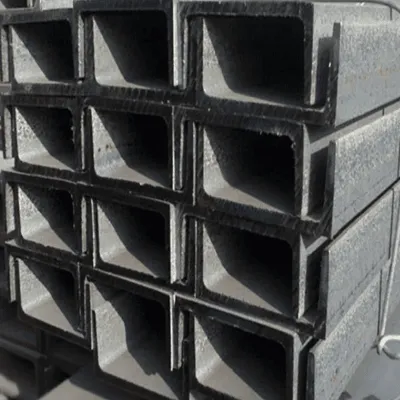


What a Stainless Steel I Beam Is
A stainless steel I beam combines the efficient load-carrying geometry of an I-shaped section with the corrosion resistance of stainless steel. The section is produced by hot rolling or by welding stainless plate into an I profile, and it is supplied in austenitic or ferritic grades depending on the service environment, structural loading and fabrication requirements.
Stainless Grades and Their Properties
304 (1.4301): an austenitic grade with about 18 percent chromium and 8 percent nickel; minimum yield strength 210 MPa and tensile strength 520-720 MPa in the annealed condition
316 (1.4401): an austenitic grade with added molybdenum for improved pitting resistance; particularly suited to marine and chemical environments
430 (1.4016): a ferritic grade with about 16-18 percent chromium, offering good corrosion resistance at a lower cost than austenitic grades
Mechanical Properties
Stainless structural sections are generally supplied in the solution-annealed condition, which restores corrosion resistance after hot forming. Austenitic grades retain their toughness at low temperatures and gain strength through cold work, while ferritic grades are magnetic and have a lower coefficient of thermal expansion. Design data for stainless sections is given in Eurocode EN 1993-1-4 or the AISC stainless steel design guide.
Fabrication and Welding
Stainless I beams can be cut, drilled, welded and polished without difficulty when the workshop keeps carbon steel tools separate to avoid contamination. Welding is normally performed with matching austenitic filler metal, and the weld area is cleaned and passivated afterwards to restore the protective chromium oxide layer.
Typical Applications
Structural frames in food, beverage and pharmaceutical plants
Walkways, platforms and handrails in coastal and offshore environments
Architectural supports, façades and interior design structures
Chemical, pulp and water-treatment plant equipment frames
Frequently Asked Questions
Q: Which stainless grade is best for structural I beams?
304 is the most common general-purpose structural grade, while 316 is preferred where chlorides or marine exposure demand higher pitting resistance.
Q: What is the difference between austenitic and ferritic stainless steel?
Austenitic grades such as 304 and 316 are non-magnetic with excellent toughness and weldability, while ferritic grades such as 430 are magnetic, lower in cost and better suited to mildly corrosive service.
Q: Are stainless I beams welded easily?
Yes, with appropriate filler metal and shielding gas; cleanliness is important because carbon steel contamination can cause localised corrosion in the weld area.
Q: What surface finish is available?
Sections can be supplied as hot-rolled, pickled, or with a brushed or polished finish depending on the architectural requirement.
Q: How strong is stainless steel compared with carbon steel?
Annealed 304 has a minimum yield strength around 210 MPa, which is lower than structural carbon steel, but its corrosion resistance often eliminates the need for painting and coatings.