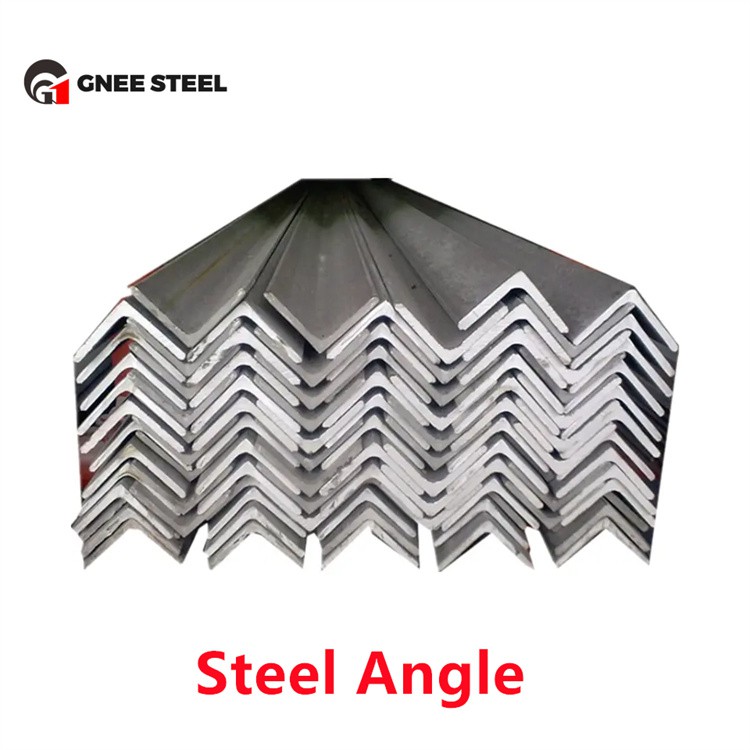
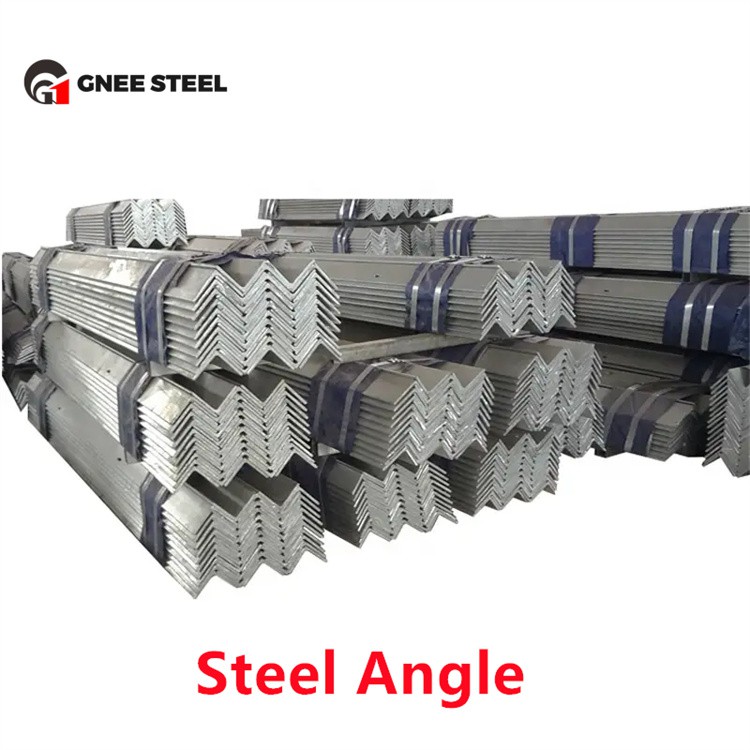
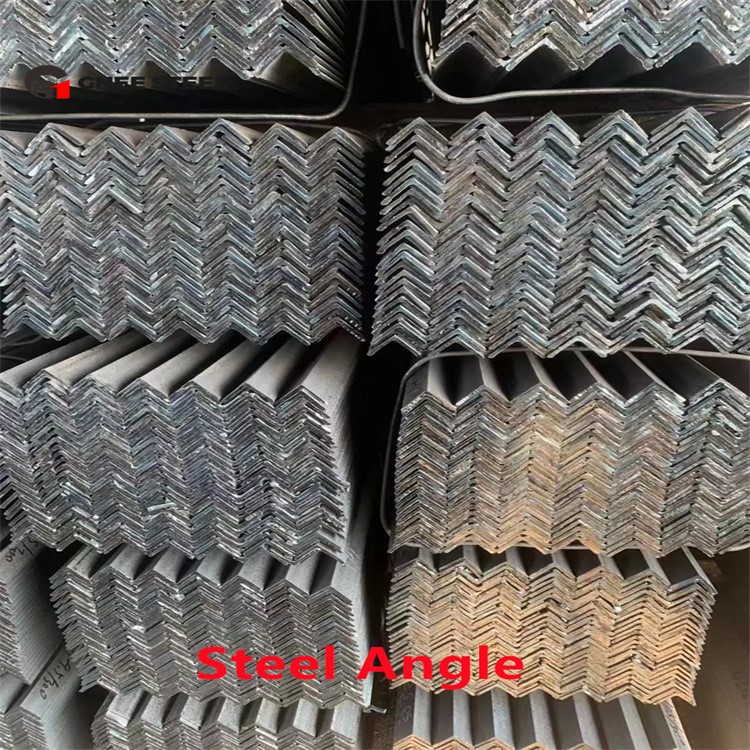
This product line encompasses a comprehensive range of high-quality angle steel, available in both hot-rolled (HR) and cold-rolled (CR) processing technologies, four globally recognized carbon structural steel grades-ASTM A36, ASTM A53, Q235, and Q345, and two structural designs: equal angle steel (symmetrical leg lengths) and unequal angle steel (asymmetrical leg lengths). Engineered as fundamental structural section steel, it features precise 90-degree L-shaped cross-sections, manufactured to comply with international standards (ASTM, GB) to deliver stable mechanical properties, strict dimensional accuracy, and superior processability. Suitable for diverse industrial, construction, and fabrication applications, this angle steel combines versatility, durability, and cost-efficiency, serving as a reliable structural material for projects of all scales worldwide.
Core Material Grades & Standard Compliance
All angle steel in this series is crafted from high-purity carbon steel, with four mainstream grades that cater to different load-bearing requirements, processing needs, and regional market standards, ensuring wide adaptability and consistent quality.
1. ASTM A36 Carbon Steel Angle Steel
ASTM A36 is a globally ubiquitous mild carbon structural steel grade complying with ASTM International standards, widely adopted in international construction and manufacturing. It features a minimum yield strength of 250 MPa and a tensile strength range of 400-550 MPa, balancing exceptional ductility, toughness, and weldability. This grade requires no complex pre-heat or post-weld heat treatment under normal conditions, making it suitable for versatile structural uses, from general support brackets to main framework components. ASTM A36 angle steel is compatible with both hot and cold rolling processes, ensuring flexibility for different application scenarios.
2. ASTM A53 Carbon Steel Angle Steel
ASTM A53 is a standard carbon steel grade conforming to ASTM International standards, primarily designed for pressure piping and structural applications requiring enhanced formability and weldability. It features a minimum yield strength of 240 MPa and excellent corrosion resistance, making it suitable for outdoor, humid, and mild corrosive environments. ASTM A53 angle steel is available in both hot and cold rolled variants, with a uniform internal microstructure that ensures stable mechanical performance, ideal for pipeline supports, infrastructure, and mechanical equipment bases.
3. Q235 Carbon Steel Angle Steel
Q235 is a classic general-purpose mild carbon structural steel grade complying with Chinese National Standard (GB/T 700), where "Q" denotes yield strength, with 235 representing a minimum yield strength of 235 MPa. Characterized by low carbon content, Q235 exhibits excellent weldability, cuttability, and formability, requiring no complex heat treatment for routine use. It is cost-effective and widely used in light to medium-duty structural applications, compatible with both hot and cold rolling processes, making it a staple for general construction, auxiliary structures, and hardware fabrication.
4. Q345 Carbon Steel Angle Steel
Q345 is a high-strength low-alloy carbon structural steel grade complying with Chinese National Standard (GB/T 1591), with a minimum yield strength of 345 MPa-significantly higher than Q235. It delivers enhanced load-bearing capacity, toughness, and resistance to dynamic loads, suitable for medium to heavy-duty structural applications. Q345 angle steel is primarily available in hot-rolled form (with cold-rolled variants for precision applications), featuring a dense internal structure that ensures long-term durability, ideal for industrial frameworks, high-rise building supports, and heavy machinery components.
Hot-Rolled vs. Cold-Rolled Processing
Our angle steel is available in two professional processing technologies, each tailored to specific application requirements, ensuring optimal performance and cost-efficiency.
1. Hot-Rolled (HR) Angle Steel
Hot-rolled angle steel is manufactured by heating carbon steel billets to high temperatures (above 1000℃) and shaping them into L-shaped cross-sections via multi-pass rolling. This process enhances the material's ductility and toughness, eliminates internal defects, and ensures a dense internal structure. Hot-rolled angle steel features a slightly rough surface with minimal oxide scale, is cost-effective for large-scale production, and is ideal for heavy-duty structural applications, such as building frameworks, industrial workshops, and bridge auxiliary structures. It is the most widely used variant for general structural purposes.
2. Cold-Rolled (CR) Angle Steel
Cold-rolled angle steel is processed at room temperature, using hot-rolled billets as raw materials and shaping them via precision rolling. This process ensures stricter dimensional accuracy, a smooth, clean surface, and improved surface finish compared to hot-rolled variants. Cold-rolled angle steel has higher strength and hardness, making it suitable for precision applications, such as decorative components, precision machinery parts, and small-scale structural elements requiring tight tolerance control. It is ideal for scenarios where aesthetic appearance and dimensional precision are prioritized.
Equal & Unequal Angle Steel: Structural Designs
We offer two core structural designs to cater to symmetric and asymmetric load-bearing scenarios, ensuring flexibility for diverse project designs.
1. Equal Angle Steel
Equal angle steel features a symmetrical 90-degree L-shaped cross-section with identical leg lengths and uniform thickness. This design ensures even stress distribution, preventing stress concentration and enhancing overall structural stability. It is available in a comprehensive range of standard sizes, suitable for symmetric load-bearing applications, such as roof trusses, wall brackets, storage shelves, and balanced support structures, where uniform strength and dimensional consistency are critical.
2. Unequal Angle Steel
Unequal angle steel is engineered with an asymmetrical 90-degree L-shaped cross-section, featuring two distinct leg lengths (one longer, one shorter) and uniform thickness. This design is tailored for uneven load-bearing scenarios, where one side requires greater strength or support area. It optimizes material efficiency while ensuring reliable load-bearing performance, suitable for beam connections, column supports, irregular framework structures, and pipeline supports, adapting to complex structural design needs.
Key Product Features & Advantages
Dual Processing Technologies: Hot-rolled for heavy-duty, cost-effective applications; cold-rolled for precision, high-finish requirements, covering diverse processing needs.
Four Core Grades: ASTM A36, ASTM A53, Q235, Q345 cover light to heavy-duty load requirements, compatible with global standards and regional market demands.
Dual Structural Designs: Equal and unequal angle steel cater to symmetric and asymmetric load scenarios, expanding application scope and optimizing structural efficiency.
Strict Dimensional Accuracy: Precision rolling (hot/cold) ensures tight control over leg length, thickness, and 90-degree right-angle precision, meeting international tolerance standards.
Superior Processability: All grades and processing variants exhibit excellent weldability, cuttability, and formability, facilitating efficient on-site fabrication and installation.
Durable & Cost-Effective: High-purity carbon steel combined with professional processing delivers long-term durability and optimal cost-performance ratio, suitable for bulk procurement and large-scale projects.
Main Application Scenarios
This series of hot/cold rolled ASTM A36, A53, Q235, Q345 equal and unequal angle steel is extensively applied in industrial, construction, and manufacturing fields. Hot-rolled variants are widely used in building frameworks, industrial workshops, bridge auxiliary structures, pipeline supports, and heavy machinery bases. Cold-rolled variants are suitable for precision components, decorative structures, and small-scale structural elements. Equal angle steel is ideal for symmetric supports and frameworks, while unequal angle steel caters to irregular and uneven load scenarios. Specific applications include commercial buildings, warehouse constructions, transmission tower components, mechanical equipment supports, hardware fabrication, and infrastructure projects. With its versatile designs, multi-grade options, and dual processing technologies, this angle steel serves as an indispensable structural material for global engineering and fabrication projects.