


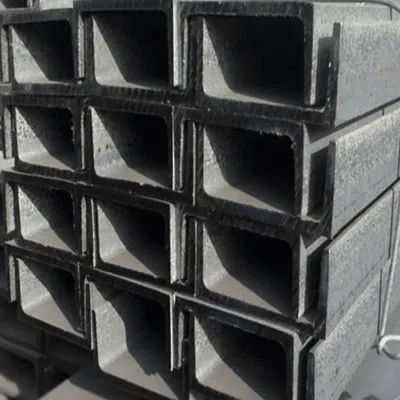


Product Description
Hot Rolled Steel H Beam

| Material | ST37-2,Q235,Q345B | ||||||||
| Standard | GB,ASTM,JIS.etc | ||||||||
| Size | 100*68*4.5mm-450*152*13.5mm | ||||||||
| Length | Normal 6m or as clients request | ||||||||
| Other | steel I beam,Isection, IPE, I steel, I beam bar,I-beam, steel products, constuction material etc. | ||||||||
| Technique | Hot rolled/Cold rolled | ||||||||
| Place of origin | Qingdao city, Shandong province, China(Mainland) | ||||||||
| Model | Weight | Model | Weight | Model |
| 100*50*5*7 | 9.54 | 294*302*12*12 | 85 | 482*300*11*15 |
| 100*100*6*8 | 17.2 | 300*300*10*15 | 94.5 | 488*300*11*18 |
| 125*60*6*8 | 13.3 | 300*305*15*15 | 106 | 496*199*9*14 |
| 125*125*6.5*9 | 23.8 | 338*351*13*13 | 106 | 500*200*10*16 |
| 148*100*6*9 | 21.4 | 340*250*9*14 | 79.7 | 582*300*12*17 |
| 150*75*5*7 | 14.3 | 344*354*16*16 | 131 | 588*300*12*20 |
| 150*150*7*10 | 31.9 | 346*174*6*9 | 41.8 | 596*199*10*15 |
| 175*90*5*8 | 18.2 | 350*175*7*11 | 50 | 600*200*11*17 |
| 175*175*7.5*11 | 40.3 | 344*348*10*16 | 115 | 700*300*13*24 |
| 194*150*6*9 | 31.2 | 350*350*12*19 | 137 | |
| 198*99*4.5*7 | 18.5 | 388*402*15*15 | 141 | |
| 200*100*5.5*8 | 21.7 | 390*300*10*16 | 107 | |
| 200*200*8*12 | 50.5 | 394*398*11*18 | 147 | |
| 200*204*12*12 | 72.28 | 400*150*8*13 | 55.8 | |
| 244*175*7*11 | 44.1 | 396*199*7*11 | 56.7 | |
| 244*252*11*11 | 64.4 | 400*200*8*13 | 66 | |
| 248*124*5*8 | 25.8 | 400*400*13*21 | 172 | |
| 250*125*6*9 | 29.7 | 400*408*21*21 | 197 | |
| 250*250*9*14 | 72.4 | 414*405*18*28 | 233 | |
| 250*255*14*14 | 82.2 | 440*300*11*18 | 124 | |
| 294*200*8*12 | 57.3 | 446*199*7*11 | 66.7 | |
| 300*150*6.5*9 | 37.3 | 450*200*9-14 | 76.5 |
Detailed Photos

1.What is a channel in steel?
A steel channel is a structure made of hot-rolled mild steel. The interior corners of steel channels have a specified radius. This provides the strength and rigidity it needs to sustain steel angles and building projects.
2.What is the difference between a steel angle and a channel?
Steel channels tend to have thicker flanges and web than steel angles, which makes them stronger and better suited for use in heavy-duty applications. Steel angles, on the other hand, tend to have thinner flanges and web, which makes them lighter and more suitable for use in applications where weight is a concern.
3.Which is stronger, channel or I-beam?
Lighter loads and shorter spans are more suited for C channels. In applications that don't need for a lot of load-bearing capability, they offer adaptability. Projects needing heavy loads, lengthy spans, and substantial structural support are where I beams stand out.
4.How is channel steel made?
These channels are produced through a hot-rolling process where mild carbon steel strips are heated to high temperatures, making them malleable. They are then passed through rollers to form the characteristic "C" shape, which features a broad vertical web and two flanges.
5.Why is it called a channel?
Via the Old French chanel, channel comes from the Latin canalis, used for various "conduits for water," from drains and gutters to, like the early channel, beds of rivers.