





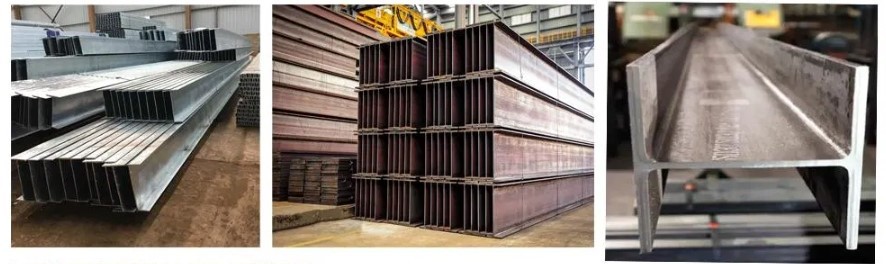
H beams are produced through hot rolling, where steel billets are heated and passed through rollers to form the H shape. Alternatively, welded H beams are made by joining separate steel plates using automated welding techniques. The hot-rolled method is more common for standard sizes, while welded beams allow for custom dimensions. Quality checks, including ultrasonic testing, ensure the beams meet strength and safety standards. Advanced manufacturing technologies have improved the precision and efficiency of H beam production.
1.What factors should be considered when selecting H beams?
Key factors include the beam's load capacity, span length, and environmental conditions like exposure to moisture or chemicals. The material grade and dimensions must align with the project's structural requirements. Engineers also consider deflection limits and connection methods when choosing H beams. Budget and availability of materials may influence the selection process. Consulting industry standards and professional engineers ensures the right beam is chosen for the job.
2.How do you calculate the load capacity of an H beam?
The load capacity depends on the beam's cross-sectional area, material strength, and span length. Engineers use formulas based on bending moment and shear stress to determine maximum loads. Software tools and reference tables simplify these calculations by accounting for variables like beam type and support conditions. Safety factors are applied to ensure the beam can handle unexpected stresses. Proper calculations prevent overloading and ensure structural integrity.
3.What are the international standards for H beams?
H beams must comply with standards such as ASTM A36 (USA), EN 10025 (Europe), and JIS G 3101 (Japan). These standards specify mechanical properties, tolerances, and testing methods. Adhering to these guidelines ensures consistency and safety in global construction projects. Certifications from recognized bodies may be required for specific applications. Manufacturers often provide documentation to verify compliance with these standards.
4.How do you maintain and inspect H beams?
Regular inspections for rust, cracks, or deformities are essential to maintain H beams. Protective coatings like paint or galvanization can prevent corrosion. Ultrasonic testing detects internal flaws that may compromise strength. Maintenance schedules should align with the beam's exposure to harsh conditions. Prompt repairs or replacements extend the lifespan of the structure.