


EN 50119 requirements:
Wind load: 0.8kN/m²
Ice load: 20mm radial
Fatigue: 10⁷ cycles @50MPa
Typical configuration:
120×120×8mm angles
Hot-dip galvanized (600g/m²)
M24 HSFG bolts
High-speed lines add:
Aerodynamic profiling
3D FEM vibration analysis
50-year design life
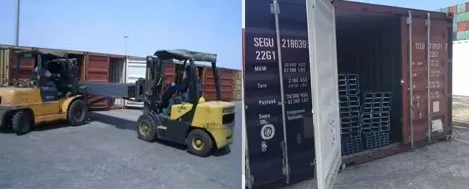
What are the best practices for angle bar storage yards?
Optimal layout:
Stacking: Max 1.5m height
Dunnage: 200×200mm timber @2m spacing
Drainage: 2% slope with gravel base
Corrosion prevention:
PVC separators between layers
Breathable tarpaulins
6-month rotation schedule
Automated yards now feature:
RFID tracking
Robotic stacking cranes
AI-based inventory
How do you design angle bar ladders for offshore platforms?
DNVGL-ST-0378 rules:
Rung spacing: 300mm ±10mm
Width: 600mm minimum
Load: 1.5kN concentrated
Safety features:
1,200mm cage height
10mm non-slip treads
Emergency descent devices
Fabrication requires:
Full penetration welds
3mm radius all edges
5-year inspection intervals
What are the machining tolerances for precision angle bar components?
Aerospace standards:
Length: ±0.1mm/m
Angularity: ±0.1°
Hole position: ±0.05mm
Achieved through:
CNC milling with 4th axis
Laser interferometry
Temperature-controlled shops
Boeing specifications:
100% CMM inspection
0.8μm surface finish
Stress-relief annealing
How do you calculate the section modulus for unequal angle bars?
Complex geometry method:
Centroid calculation: ∑Aiyi/∑Ai
Moment of inertia: I = ∑(I₀ + Ad²)
Section modulus: Z = I/y(max)
Example (150×100×10mm):
Centroid: 48.7mm from long leg
Ixx = 6.84×10⁶ mm⁴
Zxx = 140,500 mm³
Software solutions:
AutoCAD Mechanical
SolidWorks Simulation
Custom FEA scripts