


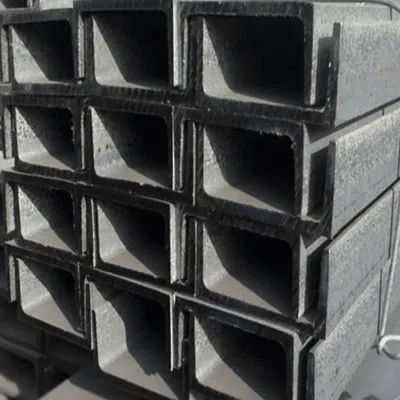


A992 H-beams have a minimum tensile strength of 65–85 ksi (448–586 MPa), whereas A36 steel has a tensile strength range of 58–79 ksi (400–545 MPa). Tensile strength- the maximum stress a material can withstand before fracturing- is a critical metric for applications where beams may experience extreme or sudden loads (e.g., seismic events, heavy equipment impacts). The higher tensile strength of A992 means it can absorb more energy before failure, enhancing structural safety. For example, in a bridge design, A992 beams would better resist the dynamic forces of traffic or high winds compared to A36. This increased strength also enables design optimization: engineers can specify thinner webs or narrower flanges for A992 beams while maintaining the same load capacity as A36, reducing material usage and overall project weight. Importantly, A992's tensile strength is consistent across all sizes and production batches, thanks to ASTM A992/A992M's mandatory tensile testing requirements. Each batch is sampled, and test results are documented in the material certificate, providing third-party verification of performance. This consistency and superior strength make A992 the preferred choice for high-demand structural projects where safety and efficiency are top priorities.