


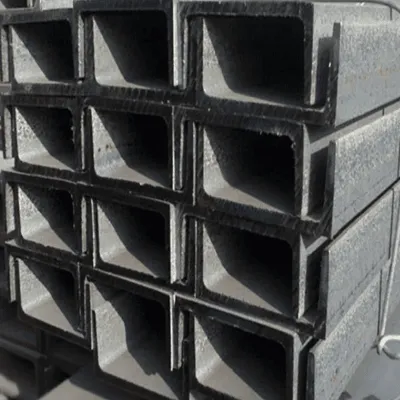


In commercial kitchens, design considerations for H - beam steel include corrosion resistance due to the presence of moisture, steam, and cleaning chemicals. The steel should support the heavy loads from kitchen equipment, such as ovens, refrigerators, and exhaust hoods. Fire - proofing is crucial to prevent the spread of fire in case of a kitchen fire. The design should also allow for proper ventilation and drainage around the steel structures to avoid the accumulation of grease and moisture, which can lead to corrosion and hygiene issues. Additionally, the steel may need to be designed with easy - to - clean surfaces to maintain a sanitary environment.
1. What is the significance of the yield strength in H-beam steel selection?
The yield strength of H-beam steel determines the maximum stress the material can withstand without permanent deformation. A higher yield strength allows the beam to carry heavier loads, making it crucial for applications with significant structural demands, such as high-rise buildings or heavy industrial structures. Selecting steel with an appropriate yield strength ensures the safety and integrity of the structure.
2. How does the welding process affect the mechanical properties of H-beam steel?
Welding can alter the mechanical properties of H-beam steel. The heat from welding creates a heat-affected zone (HAZ) where the steel's microstructure changes, potentially reducing its toughness and increasing the risk of cracking. Proper welding techniques, preheating, and post-weld heat treatment can mitigate these effects and maintain the steel's strength and ductility.
3. What are the key considerations for transporting H-beam steel over long distances?
When transporting H-beam steel long distances, securing the beams properly is essential to prevent damage. Using appropriate strapping, blocking, and padding helps avoid scratches and dents. Additionally, choosing transportation equipment with sufficient load capacity and ensuring compliance with weight and size regulations for different routes and regions are crucial considerations.
4. How do you determine the appropriate H-beam size for a mezzanine floor?
To determine the right H-beam size for a mezzanine floor, factors like the load it will carry (including the weight of people, equipment, and stored items), the span between supports, and the deflection limits need to be considered. Structural calculations based on these factors, along with relevant building codes, help select the most suitable H-beam dimensions.
