




1. Personal Protective Equipment
Everyone near the steel handling area must wear a hard hat, safety boots with steel toes, high-visibility clothing and heavy work gloves. The gloves protect the hands from the sharp flange edges and the mill scale that flakes off the surface. Eye protection is worn when cutting, grinding or driving pins, because scale and sparks fly in all directions.
2. Lifting and Rigging Practice
Beams are lifted with slings or chains of the correct capacity, using spreader beams so that long members do not bend or slip. The lifting points are positioned at the balance points, and the load is kept clear of people and obstacles while it moves. No one walks under a suspended load, and the banksman gives a clear, agreed signal to the crane operator.
3. Handling by Hand and with Equipment
Short beams are carried by at least two workers using a coordinated lift, never by one person alone. Longer beams are moved with a forklift, boom truck or crane rather than dragged across the ground. When beams are pushed or rolled into position, the hands and feet are kept clear of the ends and the web edges where pinch points exist.
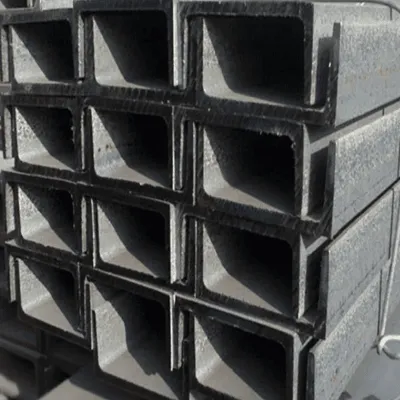
4. Storage and Stacking
Beams are stored on level, firm ground on timber dunnage, with the stacks kept low and the layers separated by battens. Stacks are built so that the beams cannot roll, and the ends are aligned to keep the pile stable. The storage area is fenced or marked, and the heaviest sections are placed at the bottom of the pile.
5. Site Awareness and Procedures
Before lifting, the route is checked for overhead cables, scaffold and other obstructions, and the ground is checked for soft spots under crane outriggers. A toolbox talk covers the lift plan, the signals and the emergency procedure before each lifting job. Any damaged sling, bent beam or unsafe condition is reported and corrected before work continues.