


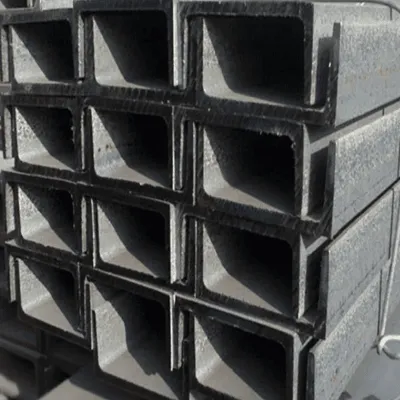


1. Handling and Carrying Channels
Channel sections have sharp flange edges and cut through gloves and slings when dragged. Workers carry short lengths with gloved hands, lifting with the legs and keeping the fingers clear of the ends. Long channels are moved with lifting equipment, and the load is guided with tag lines instead of hands.
2. Cutting and Grinding Safety
Cutting channels with a saw, grinder or torch throws sparks, scale and hot metal, so the area is cleared and a fire watch is kept nearby. The operator wears a face shield, hearing protection and flame-resistant clothing, and the workpiece is clamped so it cannot kick. Grinding wheels are checked for damage and rated for the speed of the tool.
3. Welding and Fume Control
Welding channel steel produces fumes and UV radiation that must be controlled with local exhaust or good ventilation. Welders wear the correct helmet, gloves and apron, and the area is screened to protect other workers. Fire extinguishers and a lookout are provided when welding near combustible materials.
4. Erection and Fixing
When channels are being fixed into position, the section is held by a strap or clamp until the first bolts or welds are complete. Temporary bracing is installed to stop the frame from racking under its own weight. Tools and offcuts are kept in pouches or containers so nothing falls from height onto workers below.
5. Housekeeping and Edge Protection
Cut ends, swarf and banding are cleared from the work area regularly because they cause trips and cuts underfoot. Openings in floors where channels are installed are covered or barricaded, and working edges are protected with guardrails. A clean, organised site is the foundation of safe steel construction.