


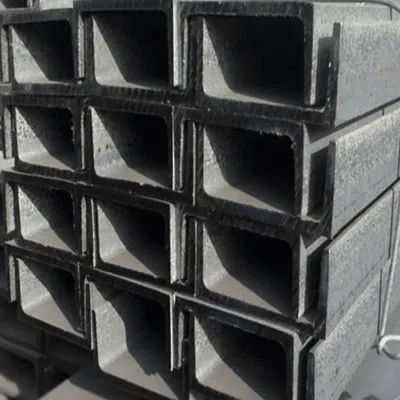


European microstates like Monaco and Liechtenstein are using HEB profiles in their construction. Monaco, with its limited land area and high - density construction, relies on HEB profiles for building luxury high - rises, marinas, and infrastructure projects. The strength and precision of HEB profiles are crucial for maximizing the use of space and ensuring the stability of structures in this densely populated microstate. Liechtenstein, known for its high - quality construction and engineering, utilizes HEB profiles in various building projects, taking advantage of their reliability and compliance with European standards.

What are the advantages of HEB profiles in the construction of modular healthcare facilities?
In modular healthcare facilities, HEB profiles offer several advantages. Their strength provides a stable and secure framework for the modular units, ensuring the safety of patients and medical staff. The standardized dimensions of HEB profiles facilitate prefabrication, allowing for quick and efficient assembly of the modular units. Their durability ensures that the healthcare facility can function properly over an extended period, withstanding the daily use and movement within the facility. Additionally, the flexibility of HEB - based modular designs enables easy expansion or reconfiguration of the healthcare facility to meet changing patient needs.
How do HEB profiles interact with wooden components in hybrid construction?
In hybrid construction with wooden components, HEB profiles and wood can be combined effectively. HEB profiles can be used as the primary load - bearing elements, providing high strength and stability, while wooden components can add aesthetic appeal and a natural touch. Special connectors, such as steel - to - wood bolts or brackets, are used to join the two materials securely. The combination allows for the utilization of the unique properties of both materials, creating structures that are not only strong but also have a distinctive appearance, suitable for various architectural styles, such as in residential or commercial buildings with a blend of modern and traditional elements.

What are the environmental considerations when disposing of HEB profiles at the end of their life cycle?
When disposing of HEB profiles at the end of their life cycle, environmental considerations are important. Recycling is the most environmentally friendly option, as it conserves natural resources and reduces energy consumption compared to primary steel production. However, if recycling is not feasible, proper disposal methods must be followed to prevent environmental pollution. This includes ensuring that any residual coatings or contaminants are removed in an environmentally safe manner. Additionally, minimizing waste generation during the deconstruction process and promoting the reuse of HEB profiles in other applications can further reduce the environmental impact.
How do HEB profiles contribute to the digital - twin technology in construction?
HEB profiles contribute to digital - twin technology in construction by providing accurate physical data for digital modeling. The precise dimensions, material properties, and structural behavior of HEB profiles can be input into digital - twin models. This allows for real - time monitoring of the structure's performance during construction and operation. For example, sensors can be attached to HEB profiles in a building, and the data collected can be integrated into the digital - twin model to predict potential structural issues, optimize maintenance schedules, and enhance the overall management of the construction project throughout its life cycle.
