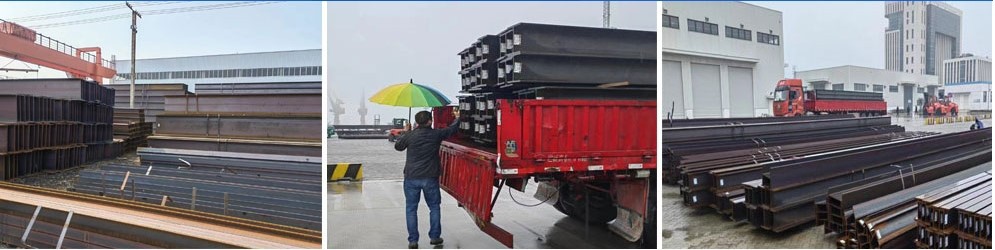
Several Middle Eastern countries are experiencing a rise in the consumption of H - beams due to extensive infrastructure development and economic diversification efforts. Saudi Arabia is a major consumer. The country's ambitious Vision 2030 plan, which aims to transform its economy and develop various sectors such as tourism, real estate, and industry, has led to a surge in construction projects. H - beams are widely used in building skyscrapers, shopping malls, industrial complexes, and transportation infrastructure, including airports and high - speed rail networks.
The United Arab Emirates (UAE), especially Dubai and Abu Dhabi, is also increasing its demand for H - beams. The continuous development of iconic buildings, luxury resorts, and large - scale commercial projects drives the consumption of H - beams. In addition, the UAE's focus on expanding its port facilities and improving its transportation systems further contributes to the growing need for H - beams in construction.
Qatar is another Middle Eastern country with an increasing appetite for H - beams. With the hosting of major international events like the FIFA World Cup and its ongoing large - scale infrastructure projects, including stadium construction, new cities, and energy - related facilities, the demand for H - beams has been on the rise. These countries' increasing consumption of H - beams reflects their rapid development and the crucial role of H - beams in building modern and sustainable infrastructure in the Middle East.