


Differences between Steel Channels and Steel Angles
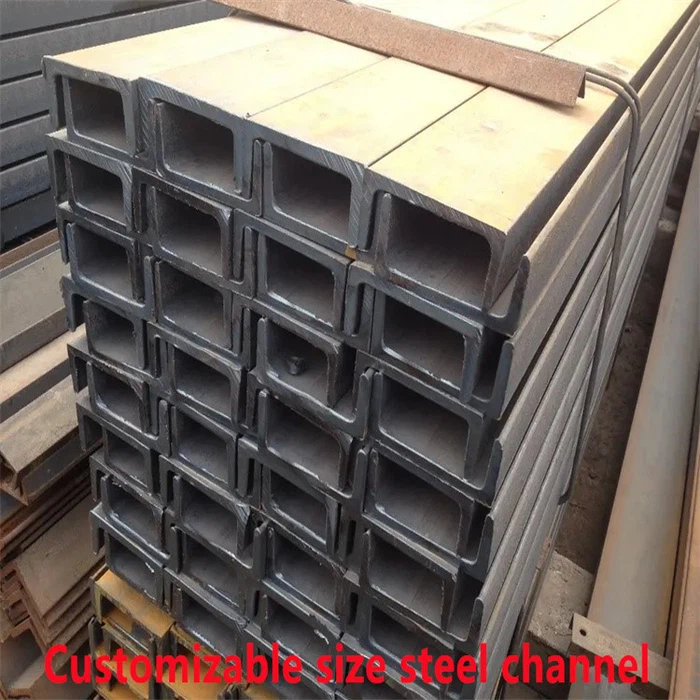
While both steel channels and steel angles are used in construction, they have some key differences that make them suited for different applications. Their shapes are one of the key distinctions between the two. Steel channels have a U-shaped cross-section, while steel angles have an L-shaped cross-section.
Another key difference between the two is the way they provide support. Steel channels are designed to provide support in a vertical direction, while steel angles are designed to provide support in a horizontal direction. This means that steel channels are better suited for use in building frames and other load-bearing structures that require support in a vertical direction, while steel angles are better suited for use in structures that require support in a horizontal direction.
The thickness of the flanges and web also differs between steel channels and steel angles. Steel channels tend to have thicker flanges and web than steel angles, which makes them stronger and better suited for use in heavy-duty applications. Steel angles, on the other hand, tend to have thinner flanges and web, which makes them lighter and more suitable for use in applications where weight is a concern.

GNEE Group receives visiting customers

If you have more needs and questions about steel, please contact us!