


As a supplier of Corten steel, I've had the privilege of witnessing its widespread use across various industries, from architecture to art installations. Corten steel, also known as weathering steel, is renowned for its unique rust - like appearance and exceptional corrosion resistance. However, like any material, it comes with its own set of potential challenges. In this blog post, I'll delve into some of the key issues that users might encounter when working with Corten steel.
Initial Appearance and Aesthetic Expectations
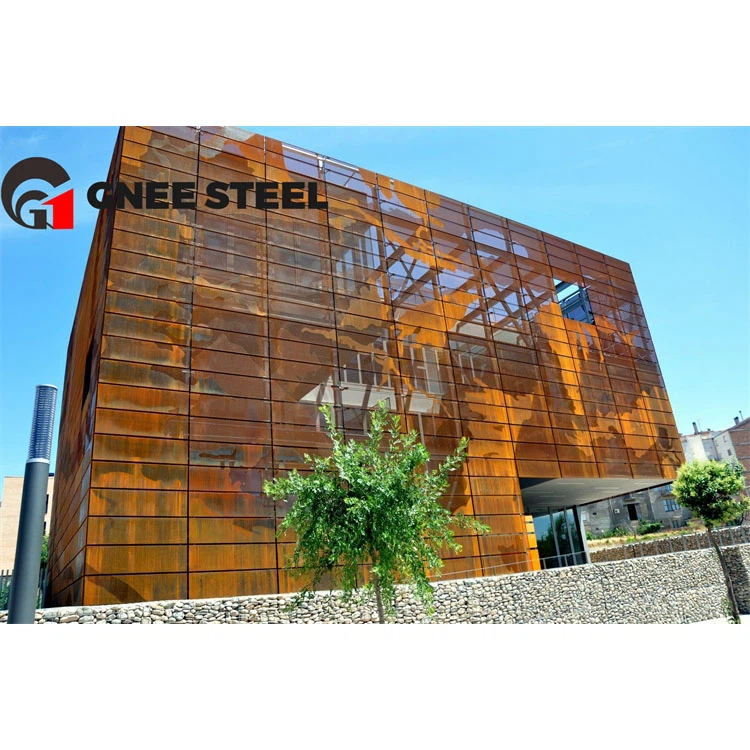
One of the most significant attractions of Corten steel is its distinctive rust - colored patina. This natural weathering process gives the steel a rustic and industrial look that is highly sought after in modern design. However, achieving the perfect patina can be a challenge.
In the initial stages, the steel may develop uneven coloring or a blotchy appearance. This can be particularly frustrating for projects where a consistent aesthetic is crucial. The formation of the patina depends on several factors, including the environmental conditions such as humidity, air pollution, and the presence of salts in the air. For example, in coastal areas where salt is prevalent, the patina may form more quickly but could also result in a different color or texture compared to inland locations.
To address this, some clients may opt for pre - weathering treatments. But these treatments are not always foolproof. Sometimes, the pre - weathered finish may not age in the same way as natural weathering, leading to a less authentic look over time. It's important for clients to understand that the patina is a living, evolving feature of the steel, and it may take several months to a few years to reach its full, uniform appearance.
Maintenance and Long - Term Durability
While Corten steel is known for its corrosion resistance, it's not entirely maintenance - free. In some cases, improper installation or exposure to harsh conditions can lead to accelerated corrosion. For instance, if the steel is in contact with standing water for extended periods, the protective patina may break down, and the steel can start to corrode at a faster rate.
Another aspect of maintenance is the cleaning of Corten steel. Over time, dirt, debris, and other contaminants can accumulate on the surface, which may affect the appearance and potentially the integrity of the patina. Cleaning methods need to be carefully chosen to avoid damaging the patina. Abrasive cleaners or tools should be avoided as they can scratch the surface and disrupt the protective layer.
In addition, in industrial environments with high levels of pollution or chemical exposure, the long - term durability of Corten steel can be compromised. The pollutants can react with the steel and the patina, causing it to degrade more quickly. This means that in such environments, regular inspections and potentially more proactive maintenance measures may be required.
Welding and Fabrication Challenges
Welding Corten steel can be a complex process. The unique alloy composition of Corten steel that gives it its corrosion - resistant properties also affects its weldability. During welding, the heat can alter the chemical composition of the steel in the welded area, potentially reducing its corrosion resistance.
To overcome this, special welding techniques and filler materials need to be used. For example, when working with SAM490AW Welding Corten Steel, specific welding procedures are recommended to ensure that the welded joints maintain their integrity and corrosion resistance. Welders need to be well - trained and experienced in working with Corten steel to avoid issues such as cracking, porosity, and reduced mechanical properties in the welded area.

Fabrication of Corten steel also requires careful planning. Bending, cutting, and shaping the steel need to be done with precision to avoid damaging the surface and disrupting the patina formation. Any rough edges or surface imperfections can affect the way the patina develops, leading to an uneven appearance.
Cost Considerations
Corten steel is generally more expensive than traditional carbon steel. The cost is influenced by several factors, including the alloying elements used to achieve its corrosion - resistant properties and the manufacturing process. For large - scale projects, the higher cost of Corten steel can be a significant deterrent.
In addition to the initial material cost, there are also hidden costs associated with Corten steel. As mentioned earlier, pre - weathering treatments, maintenance, and the need for specialized welding and fabrication techniques can all add to the overall project cost. Clients need to carefully weigh the benefits of using Corten steel against the additional expenses to determine if it's the right choice for their project.
Availability and Supply Chain Issues
The availability of Corten steel can sometimes be a challenge. The production of Corten steel requires specific raw materials and manufacturing processes, which may be subject to supply chain disruptions. For example, shortages of certain alloying elements or issues with the production facilities can lead to delays in the delivery of Corten steel.
This can be particularly problematic for time - sensitive projects. Clients may find themselves having to adjust their project timelines or look for alternative materials if the Corten steel they need is not available when required. As a supplier, I always try to keep my clients informed about any potential supply chain issues and work with them to find solutions.
Compatibility with Other Materials
When using Corten steel in a project, it's important to consider its compatibility with other materials. Corten steel can react with certain metals and substances, which can lead to galvanic corrosion. For example, if Corten steel is in direct contact with stainless steel or copper in the presence of an electrolyte (such as water), a galvanic cell can be formed, causing accelerated corrosion of the Corten steel.
To prevent this, proper insulation or separation methods need to be used between different materials. This adds an extra layer of complexity to the design and installation process.
Environmental Impact
While Corten steel is often considered an environmentally friendly option due to its long - term durability and reduced need for coatings, there are still some environmental concerns. The production of Corten steel requires significant energy and resources, and the mining of the alloying elements can have a negative impact on the environment.
In addition, the disposal of Corten steel at the end of its life cycle needs to be carefully managed. If not recycled properly, the steel can contribute to landfill waste. As a supplier, I encourage my clients to consider the environmental impact of their projects and explore options for recycling Corten steel at the end of its useful life.
Conclusion
Despite these potential challenges, Corten steel remains a popular choice for many applications due to its unique aesthetic and excellent corrosion resistance. As a Corten steel supplier, I'm committed to helping my clients navigate these challenges. Whether you're interested in Q460NH Corten Steel Sheet or SAM490CW Corten Steel, I can provide you with the necessary information and support to ensure a successful project.
If you're considering using Corten steel in your next project, I'd be more than happy to discuss your requirements and answer any questions you may have. Feel free to reach out to me to start a conversation about your Corten steel needs and explore the possibilities for your project.
References
- "Weathering Steel: A Guide to its Use in Construction" by The Steel Construction Institute.
- "Corrosion Resistance of Weathering Steel" published in the Journal of Materials Science.
- Technical documentation provided by steel manufacturers on Corten steel products.